One Ocean. Shared Resources. Shared Opportunities.
The Western Indian Ocean is a vast and interconnected marine region linking the coastlines and island territories of Eastern and Southern Africa. Its waters connect Somalia, Kenya, Tanzania, Mozambique, South Africa, Madagascar, Comoros, Mauritius, Seychelles, and France (Réunion) within a shared ecological and economic system.
This is not simply a region defined by geography. It is an ocean space where people, ecosystems, trade and livelihoods are deeply connected.
More than 65 million people living along the region’s coastline depend on marine ecosystems and the goods and services they provide. Fisheries, coastal ecosystems, maritime activity and other ocean-based resources support economic, social and cultural life across the region.
A Region of Extraordinary Marine Wealth
The Western Indian Ocean contains some of the region’s most important coastal and marine ecosystems, including:
- Coral reefs supporting diverse marine life and coastal economies
- Mangrove forests that provide habitat and coastal protection
- Seagrass ecosystems supporting marine species and storing carbon
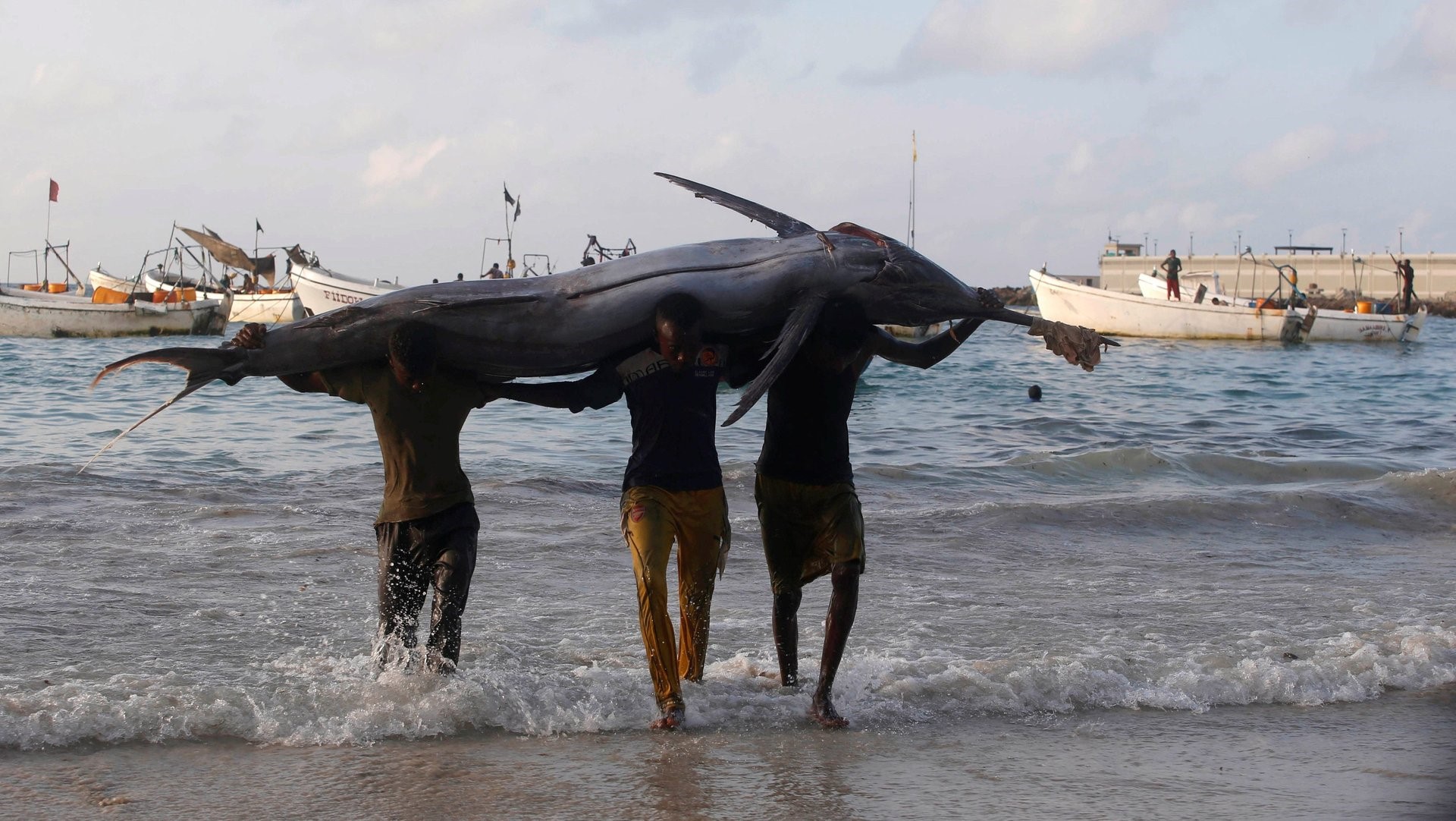
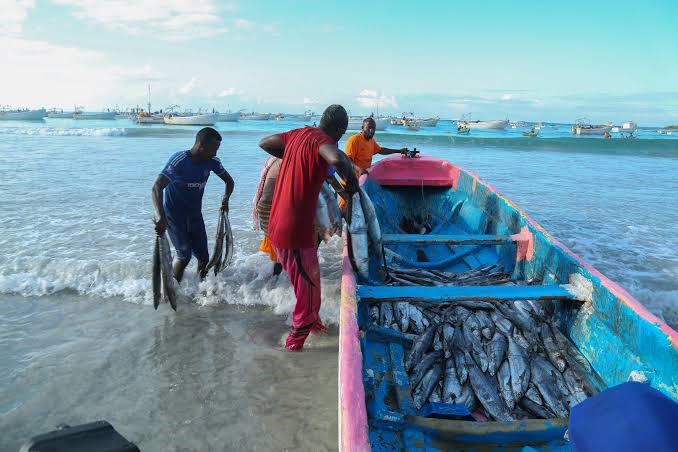
- Productive fishing grounds supporting food security and livelihoods
- Marine and coastal habitats with exceptional biodiversity
- Maritime routes connecting regional economies to global markets
The region is home to more than 2,200 fish species, 300 species of hard coral, 10 mangrove species, 12 seagrass species and around 1,000 seaweed species, alongside diverse sponges, molluscs and crustaceans.
Its ecological value also has a significant economic dimension. One assessment cited by the Nairobi Convention estimated the ocean assets of the Western Indian Ocean at approximately US$333.8 billion, with annual ocean-based output estimated at US$20.8 billion.
These figures illustrate an important point: the ocean is not simply an environmental asset. It is an economic asset.
Why the Western Indian Ocean Matters
The region’s ocean connects economies as much as it connects ecosystems.
Fisheries
Marine resources provide food, income and employment for coastal communities and contribute to regional food systems.
Maritime Trade
The Western Indian Ocean forms part of important maritime networks connecting African economies with markets across the Middle East, Asia and beyond.
Coastal Ecosystems
Mangroves, coral reefs and seagrass ecosystems provide habitat, coastal protection and other ecosystem services, including carbon sequestration.
Coastal Communities
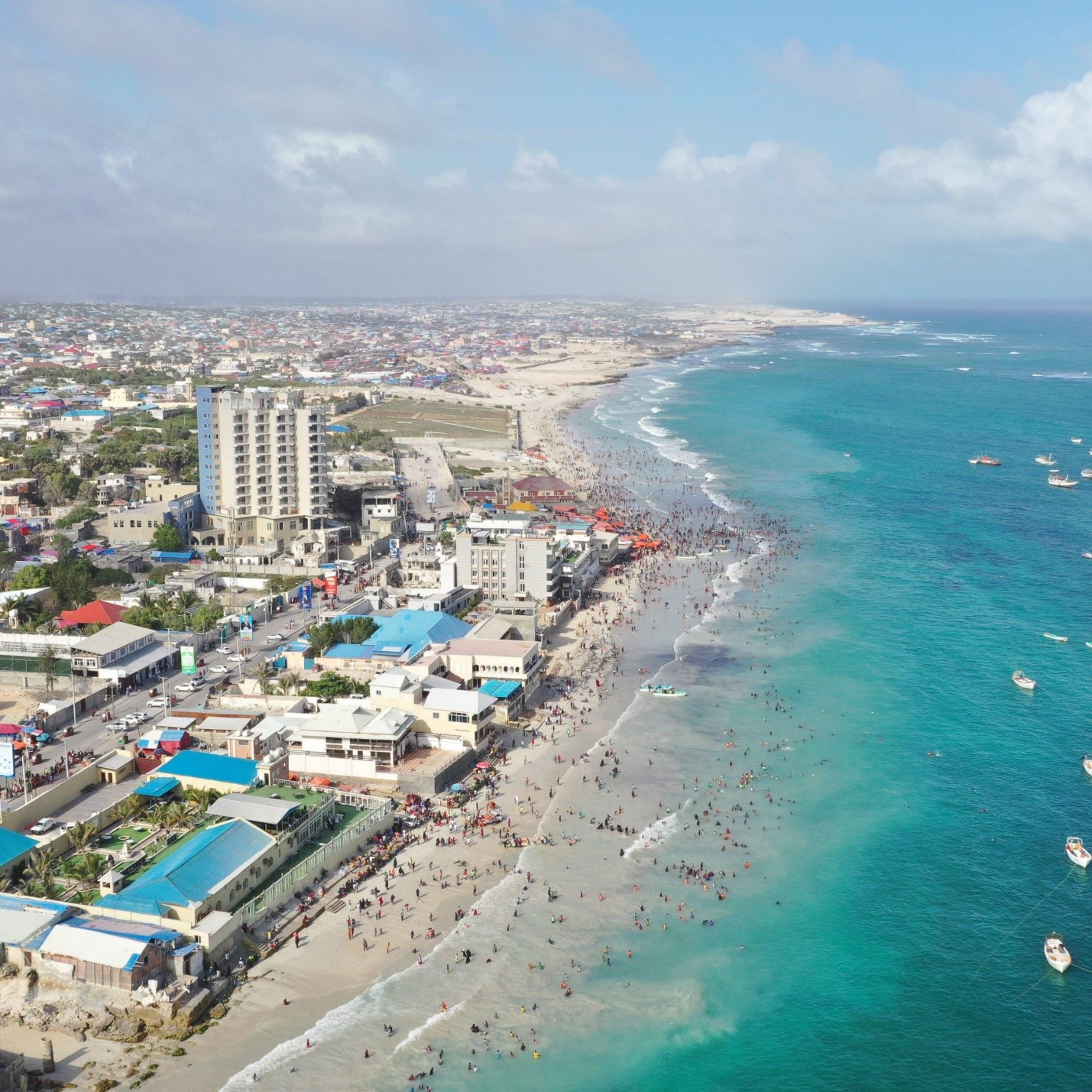
For millions of people, the ocean is directly connected to livelihoods, food security and cultural identity.
Blue Economy
The region’s natural assets create opportunities for sustainable fisheries, aquaculture, tourism, maritime services, conservation finance and other ocean-based industries.
The Pressure on a Shared Ocean
The Western Indian Ocean’s economic potential is inseparable from the health of its ecosystems.
Marine and coastal environments are facing increasing pressure from both human activities and environmental change. Documented pressures include over-exploitation of resources, destructive fishing practices, pollution, habitat degradation, unregulated development, invasive species, tourism pressures and growing coastal populations.
Climate change adds another layer of pressure.
Rising sea temperatures, changing rainfall patterns, extreme weather events, sea-level rise and ocean acidification can compound existing stresses on marine ecosystems and coastal communities.
The challenge, therefore, is not simply to increase economic activity in the ocean.
It is to increase the value generated from the ocean while maintaining the ecological systems that make that value possible.
Somalia’s Place in the Western Indian Ocean
For Somalia, this regional perspective is particularly important.
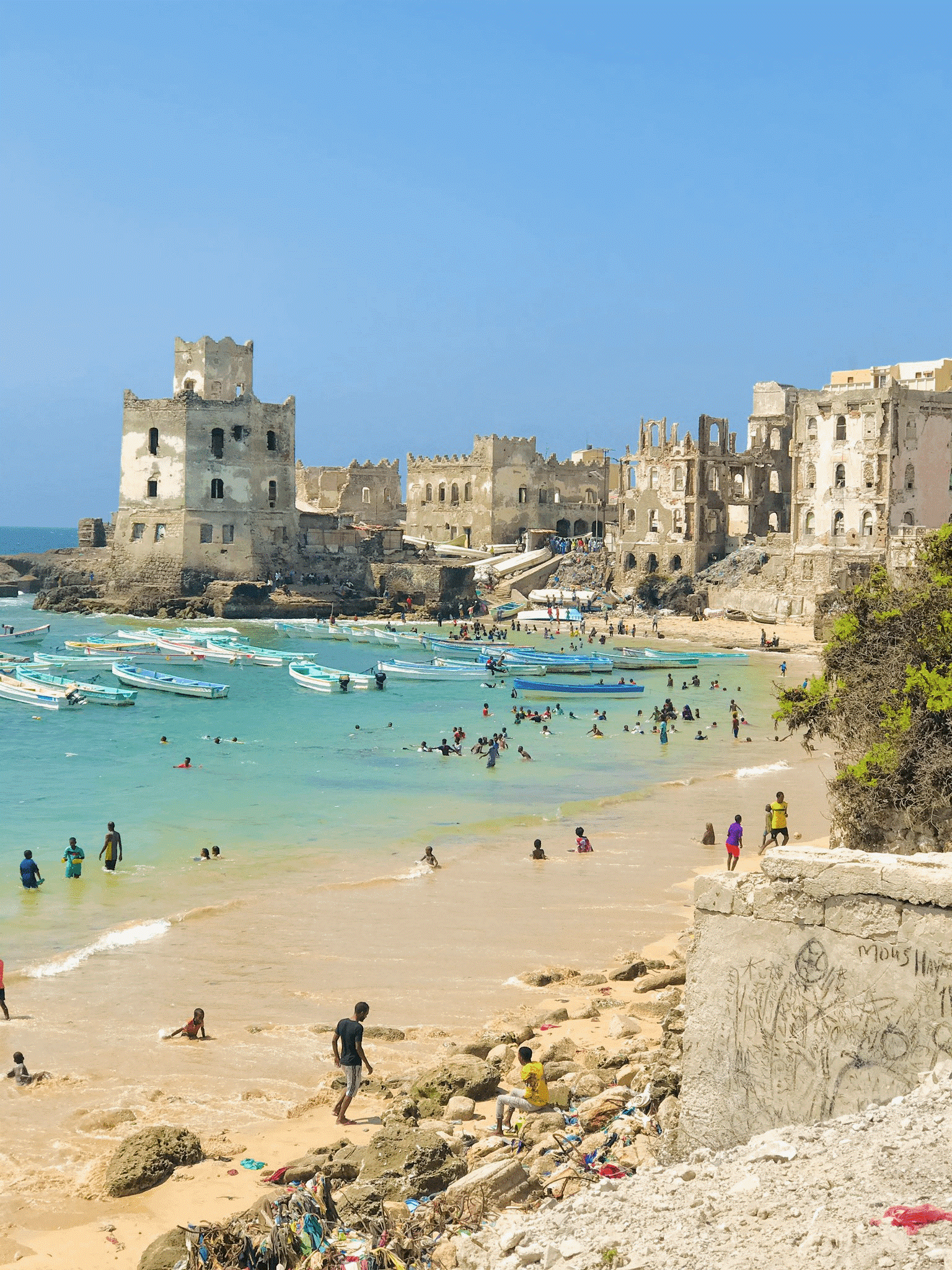
Somalia sits at the northern edge of the Western Indian Ocean, with a coastline extending along the Gulf of Aden and Indian Ocean. Its location places it within a strategically important maritime environment connecting East Africa with the Arabian Peninsula and wider global markets.
But Somalia’s significance extends beyond its location.
Its marine resources, coastal communities and maritime infrastructure give it a potential role in the development of the wider regional Blue Economy.
The opportunity lies in moving from a predominantly resource-based relationship with the ocean toward higher-value, better-managed and more connected maritime industries.
That means strengthening fisheries value chains, developing landing and processing infrastructure, improving cold-chain systems, investing in maritime services, supporting coastal enterprises, and building the knowledge and institutions needed to manage marine resources sustainably.
A Shared Ocean Requires Regional Cooperation
No country can manage the Western Indian Ocean in isolation.
Fish stocks move across maritime boundaries. Marine pollution crosses borders. Climate impacts affect interconnected ecosystems. Shipping routes connect national economies. And many conservation challenges require coordinated action.
The Nairobi Convention itself is built around regional cooperation between governments, civil society and the private sector to promote a prosperous Western Indian Ocean with healthy rivers, coasts and oceans. Its work includes ocean governance, biodiversity, marine pollution, climate change, sustainable Blue Economy development and capacity building.
For OPONE, this regional perspective is fundamental.
OPONE’s Perspective
The Western Indian Ocean is not ten separate ocean stories. It is one interconnected system with shared challenges and shared opportunities.
For Somalia, participating meaningfully in this system means developing the capacity to understand its ocean, manage its resources, build competitive maritime industries and connect coastal communities to growing regional and international markets.
The future of the Western Indian Ocean will depend on finding the right balance between ocean health and economic opportunity.
That is the central challenge of the Blue Economy.
And it is also one of the greatest opportunities of our generation.
🌊 Ocean Insight
The value of the Western Indian Ocean is measured not only in the resources it contains, but in the livelihoods, ecosystems, trade networks and future opportunities that depend on keeping the ocean healthy.
At a Glance
10
Nairobi Convention Contracting Parties
65M+
People along the region’s coastline dependent on marine ecosystem goods and services
2,200+
Fish species recorded across the region
300
Hard coral species
1,000+
Seaweed species
US$333.8B
Estimated value of regional ocean assets
Source: Nairobi Convention / UNEP. Figures should be presented with their respective source and date on the published webpage.
Western Indian Ocean | Ocean Insights
Understanding the ocean. Connecting the region. Unlocking opportunity.
OPONE — Where Ocean Meets Opportunity.