Why Geography Still Matters in Building the Country’s Blue Economy
By Ocean Insights | OPONE
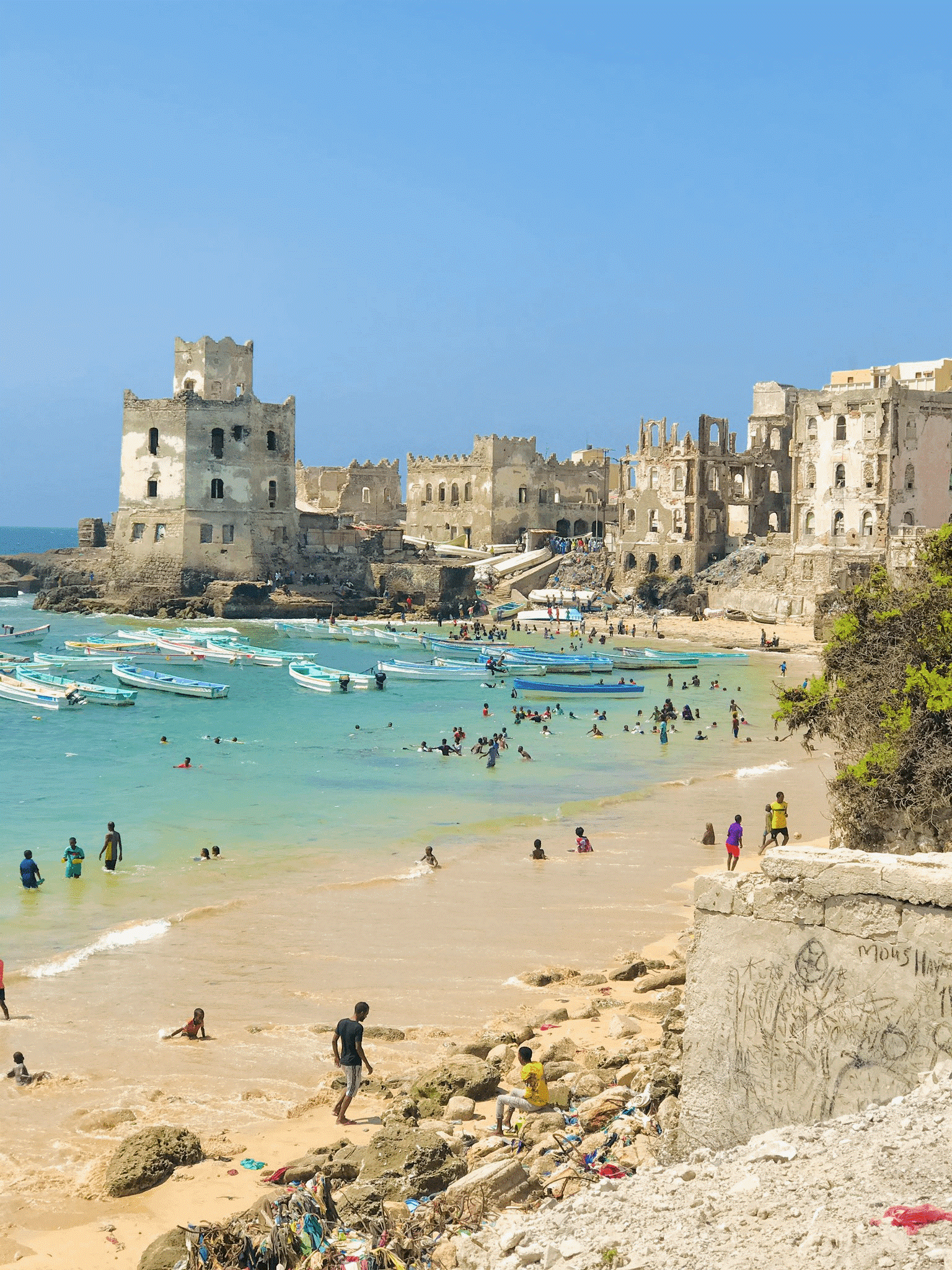
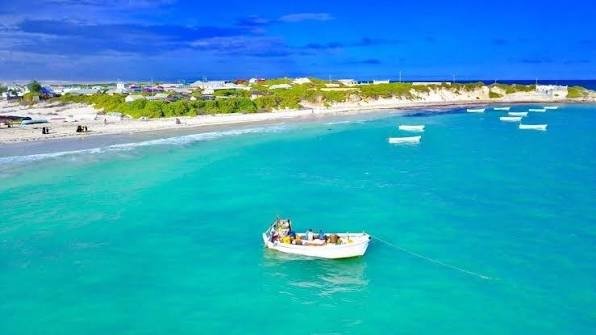
For centuries, Somalia’s relationship with the sea has shaped its place in the world. Long before the rise of modern shipping, Somali ports connected merchants from Africa, Arabia, Persia, India, and beyond, making the country’s coastline an important link in the Indian Ocean trading network.
Today, that geography remains just as significant.
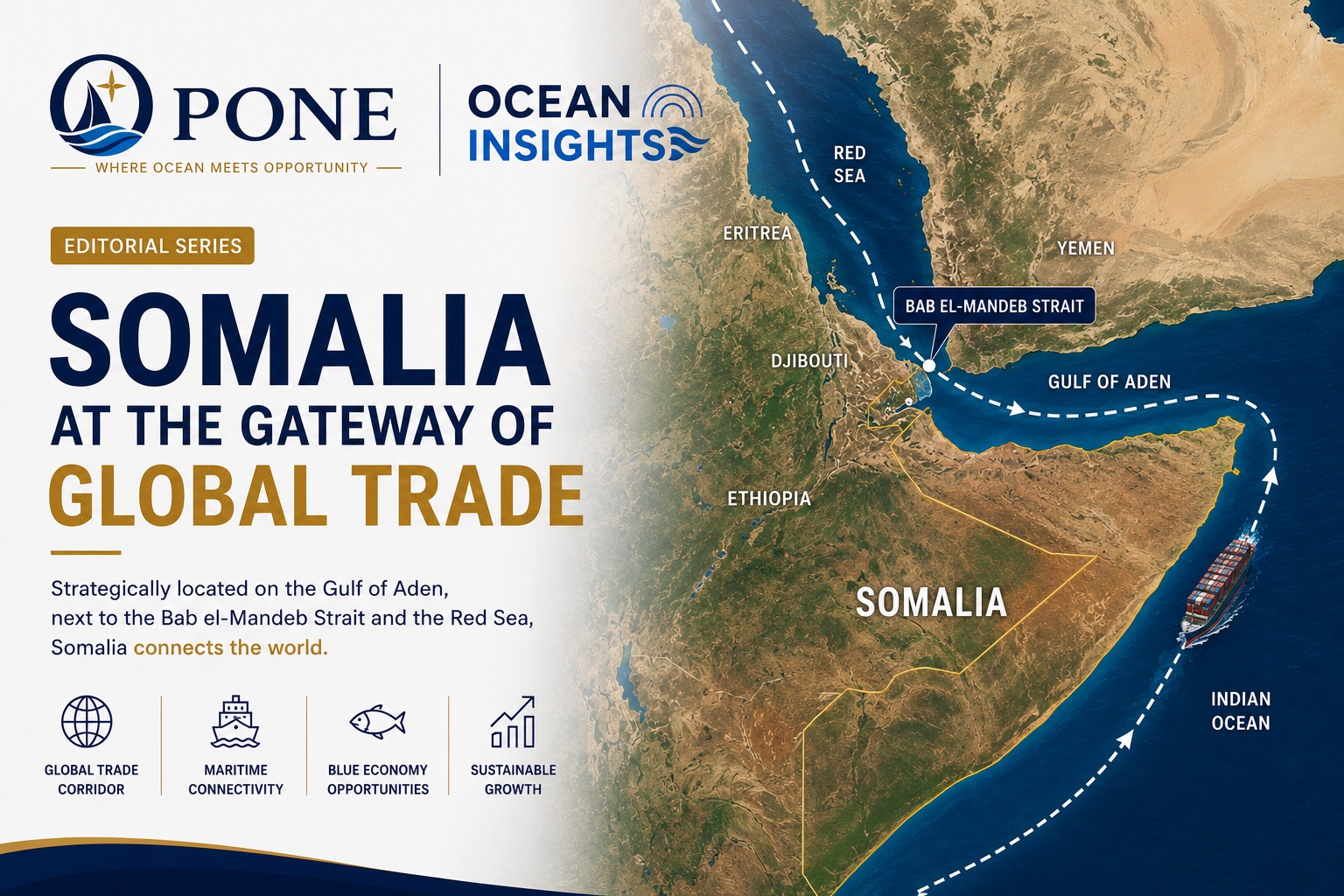
Bordered by the Gulf of Aden to the north and the Indian Ocean to the east, Somalia sits beside one of the world’s busiest maritime corridors. Every day, vessels carrying energy, manufactured goods, agricultural products, and consumer goods pass along its coastline as they move between Europe, Asia, the Middle East, and Africa.
At the heart of this route lies the Bab el-Mandeb Strait—a narrow stretch of water that has become one of the most strategically important maritime passages in global trade.
A Small Strait with Global Importance
The Bab el-Mandeb Strait connects the Red Sea with the Gulf of Aden before opening into the Indian Ocean. Together with the Suez Canal, it forms one of the shortest and most efficient shipping routes linking Europe and Asia.
While only a narrow waterway, its economic importance is enormous. A significant share of international maritime trade passes through this corridor every year, making it vital for global supply chains and energy security.
When disruptions occur here, the effects are felt far beyond the region—shipping costs rise, delivery times increase, and international markets respond almost immediately.
For countries bordering this route, maritime stability is more than a security concern; it is an economic necessity.
Somalia’s Strategic Position
Somalia occupies a unique place within this maritime landscape.
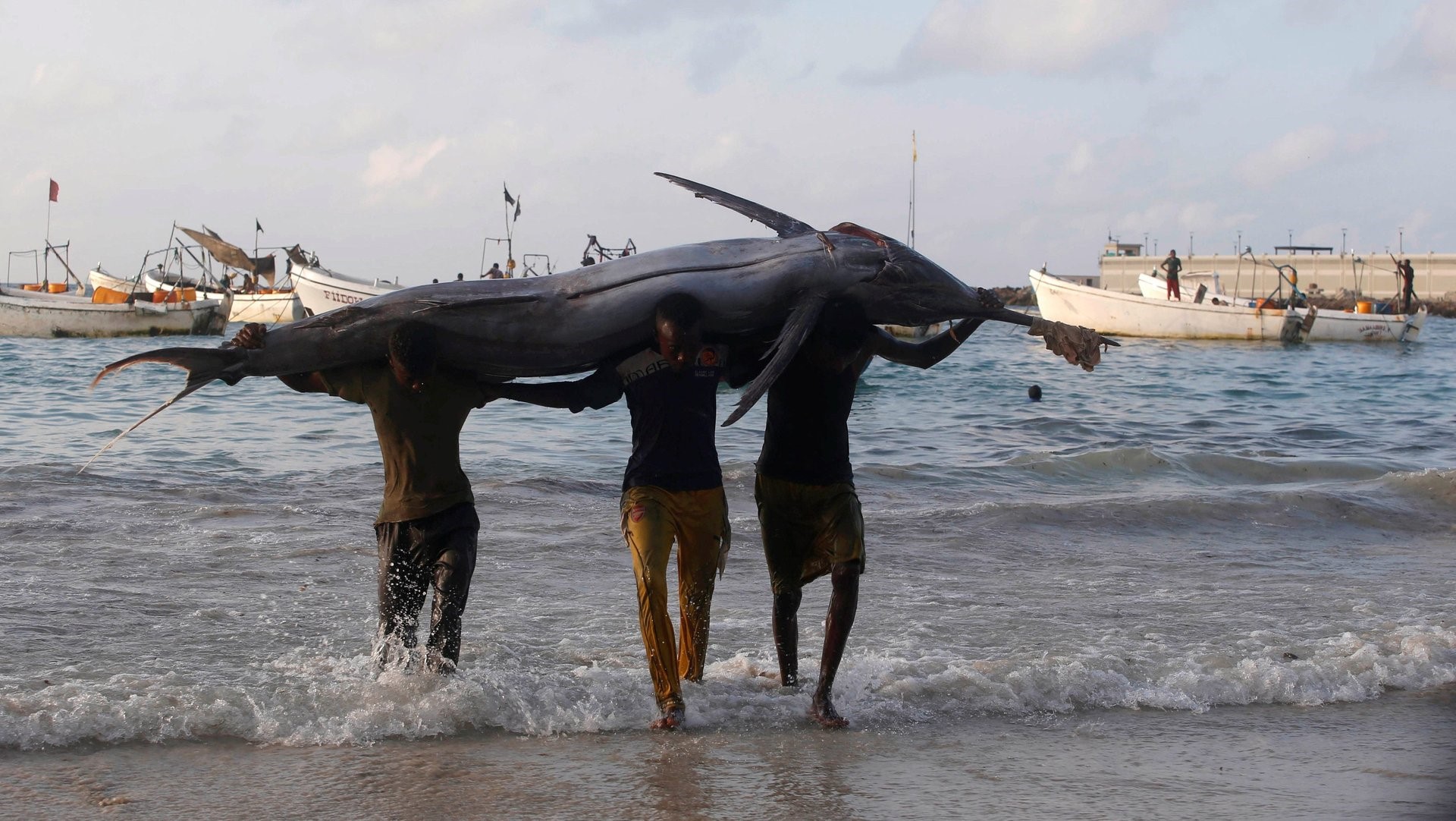
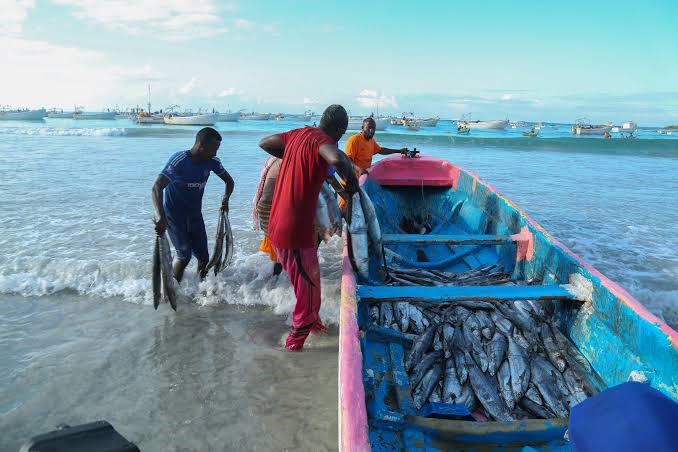
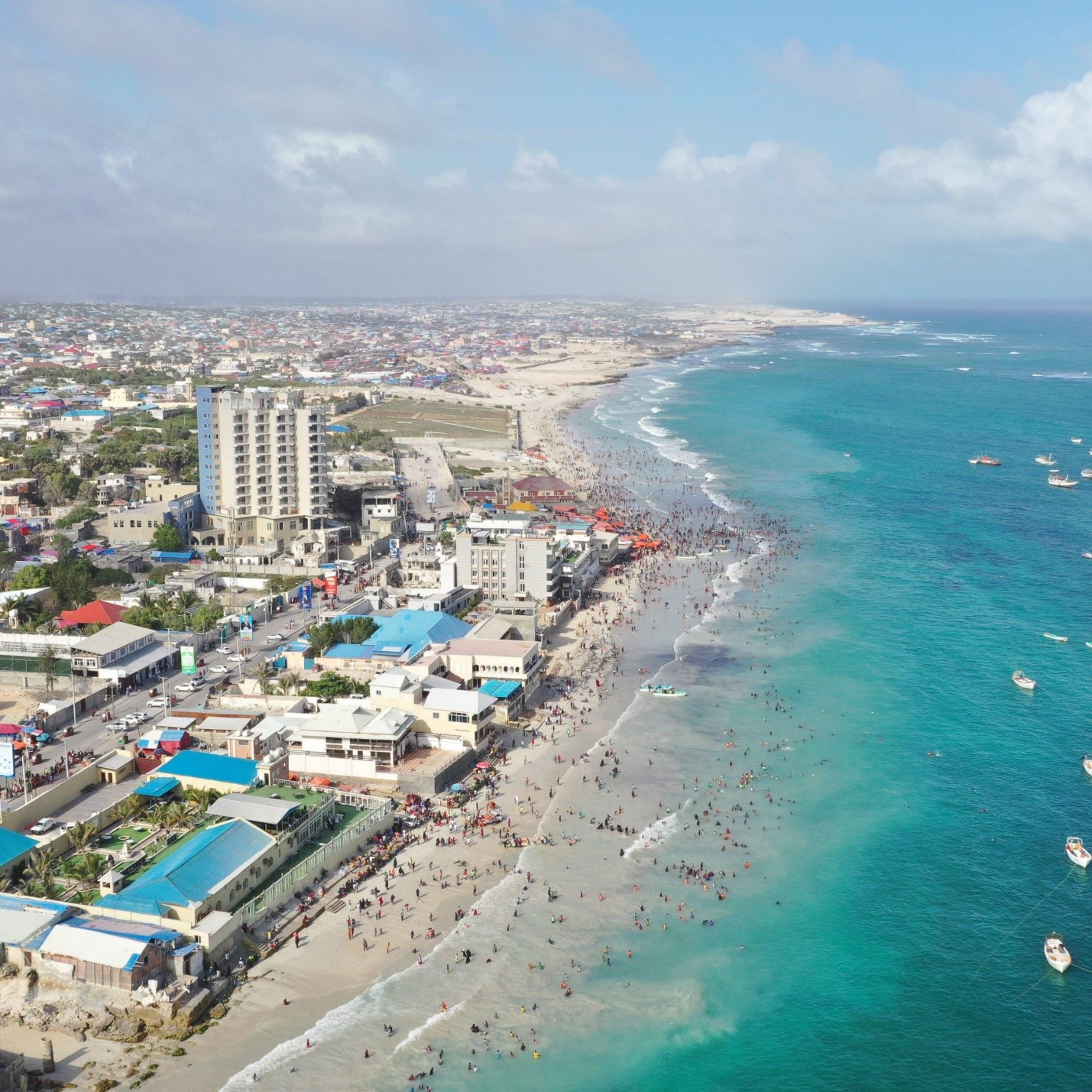
Its extensive coastline places the country alongside one of the world’s busiest shipping lanes while providing direct access to rich marine ecosystems and international markets. Few nations possess both abundant fisheries resources and proximity to such an important trade corridor.
This combination creates opportunities that extend well beyond fishing.
Modern ports, efficient logistics services, seafood processing industries, cold-chain infrastructure, maritime transport, and ocean-based industries all have the potential to become important contributors to national economic growth.
Geography has already provided the advantage. The next step is transforming that advantage into long-term economic value.
Beyond Fisheries
The Blue Economy is often associated with fishing, but its scope is much broader.
For Somalia, a sustainable ocean economy could support investment across multiple sectors, including commercial fisheries, aquaculture, maritime transport, coastal tourism, marine services, renewable ocean energy, and port development.
Each of these sectors depends on healthy marine ecosystems, sound governance, and infrastructure that connects coastal communities to regional and international markets.
Developing these industries would not only strengthen exports but also create jobs, encourage private investment, and diversify the national economy.
Turning Location into Opportunity
History has already demonstrated Somalia’s strategic importance.
The challenge today is ensuring that geography becomes a platform for sustainable development rather than simply a point on the map.
That requires investment in modern ports, stronger fisheries management, improved maritime infrastructure, value-added seafood processing, and policies that encourage responsible private-sector growth.
It also requires recognizing that Somalia’s coastline is not just a natural resource—it is an economic asset capable of supporting generations to come.
Looking Ahead
As global attention increasingly turns toward resilient supply chains and sustainable ocean economies, Somalia is well positioned to become a more influential maritime nation.
Its location cannot be replicated, but its future will depend on the choices made today.
With strategic investment, regional cooperation, and responsible ocean governance, Somalia has an opportunity to reconnect its historic maritime legacy with the demands of a modern Blue Economy.
Ocean Insights
Ocean Insights is OPONE’s editorial platform dedicated to exploring the trends, opportunities, policies, and ideas shaping Somalia’s Blue Economy and the wider Western Indian Ocean. Through research-driven analysis and accessible storytelling, Ocean Insights aims to inform decision-makers, businesses, researchers, and the public about the issues influencing the future of the ocean economy.