An OPONE Perspective | Fisheries & Blue Economy | 21 November 2026
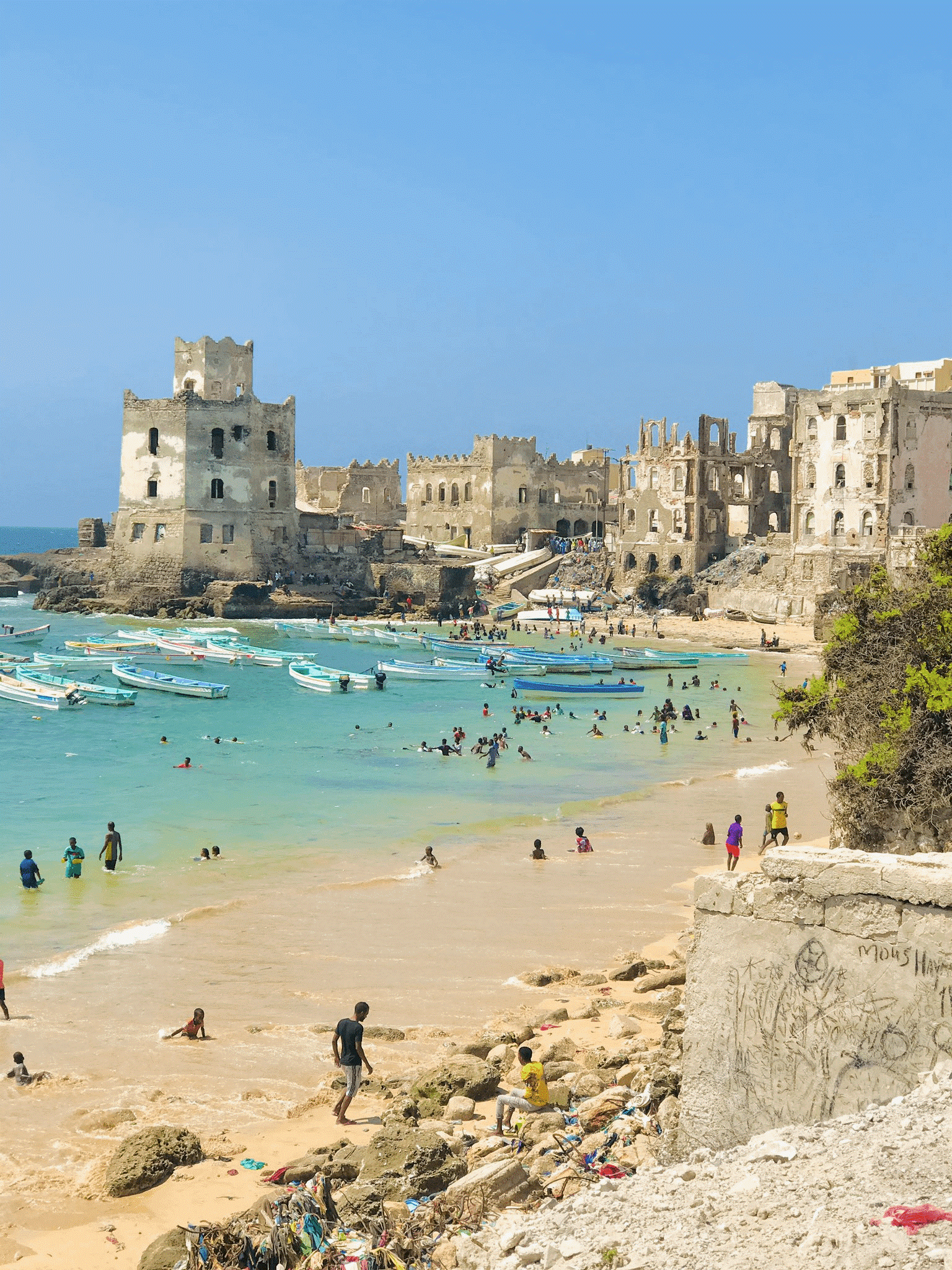
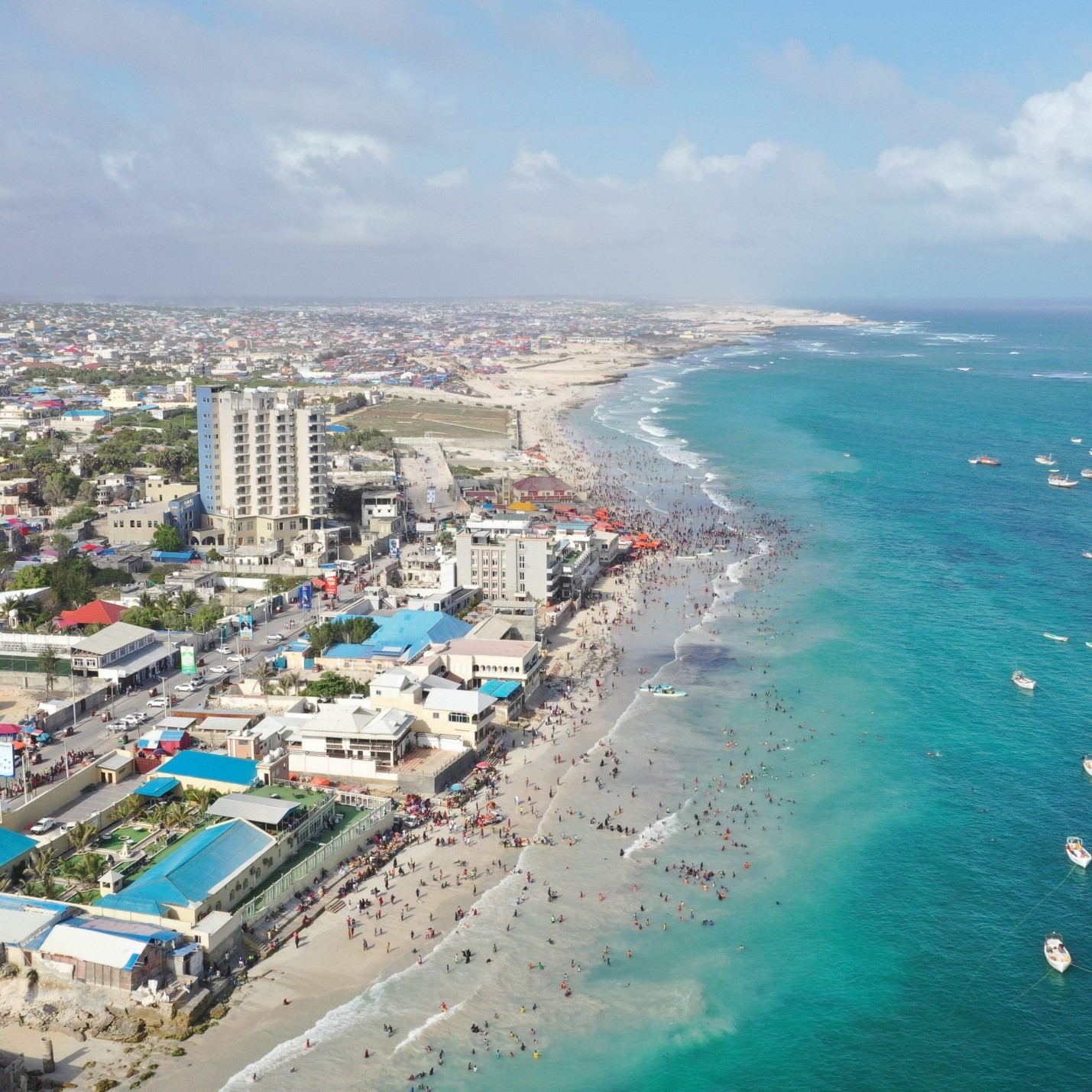
Somalia has one of the longest coastlines in mainland Africa, stretching approximately 3,333 kilometers along the Gulf of Aden and the Indian Ocean. Its waters support a diverse range of marine resources, while fishing remains an important source of food, income and employment for communities along the coast.
Yet the country’s fisheries sector has not developed at the scale its marine resource base might suggest. Much of the industry still operates through small-scale fishing activities, fragmented supply chains and limited infrastructure. Fishers face difficulties accessing suitable equipment, ice, storage, finance and reliable markets. Businesses seeking to invest in processing, distribution and seafood exports encounter many of the same constraints.
This is not a story of a sector without opportunity. It is a story of an industry whose development has been held back by structural challenges that require sustained attention.
There are signs of progress. Fisheries exports have recovered from their sharp decline in 2023, national catch monitoring has improved, and Somalia has established a more comprehensive legal framework for fisheries management. But progress in individual areas should not be mistaken for a transformation of the sector as a whole.
The real question is how Somalia can turn its marine resources into a productive fisheries economy that benefits fishing communities, creates viable businesses and protects the ecosystems on which the industry depends.
1. A substantial resource base, but a developing industry
Somalia’s position along the Western Indian Ocean gives it access to diverse fishing grounds. Its marine resources include tuna and tuna-like species, small pelagic fish, reef-associated species, demersal fish, lobster and other marine species. Their distribution and availability vary across locations and seasons.
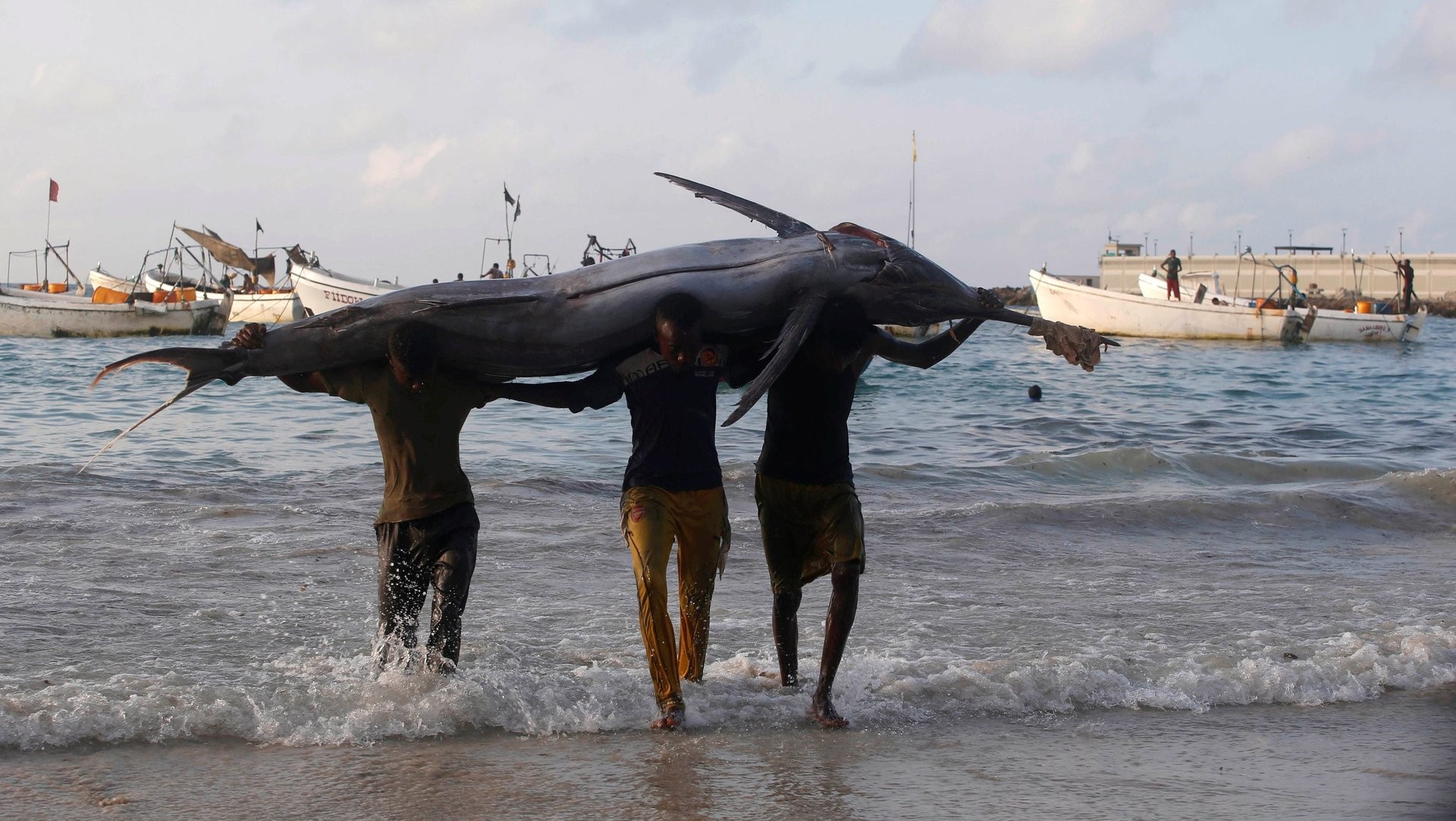
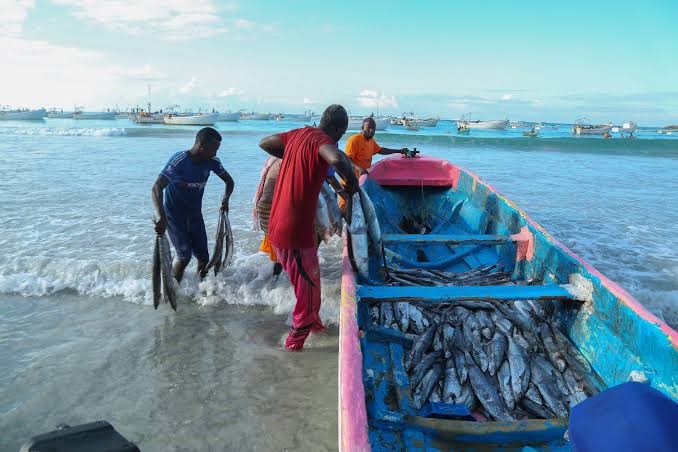
Despite this diversity, much of the country’s fishing activity remains small-scale. Artisanal fishers operate from coastal settlements using relatively small vessels, traditional fishing methods and limited equipment. Semi-industrial fishing is also present, but the wider industry still lacks the infrastructure and commercial systems needed to operate at a much larger scale.
This matters because fisheries development is not simply a question of how much fish is available in the water. It also depends on whether fishers can access productive fishing grounds safely, land their catch efficiently, preserve its quality and sell it at a fair price.
Somalia’s opportunity lies not only in its marine resources, but in building the systems that allow those resources to support a stronger domestic industry.
The country’s geographical position is an advantage, but geography alone does not create a competitive fisheries sector. Investment, scientific knowledge, effective management and functioning markets are equally important.
2. What do the latest figures tell us?
Official figures offer a useful indication of the sector’s recent performance, although they also reveal the limitations of available fisheries data.
According to the Central Bank of Somalia’s Annual Report 2025, fishery exports were valued at approximately US$25.9 million in 2025. The report records export values of US$34.8 million in 2021, US$51.3 million in 2022, US$15 million in 2023, US$18 million in 2024 and US$25.9 million in 2025.
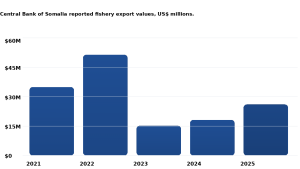
Central Bank of Somalia reported fishery export values, US$ millions. Values rounded to one decimal place.
The figures show a recovery from the low recorded in 2023. However, export values remain below the 2022 level. This uneven performance raises questions about the consistency of supply, market access, product quality and the capacity of Somali seafood businesses to compete in international markets.
Catch statistics provide another perspective. Somalia’s 2025 national report to the Indian Ocean Tuna Commission (IOTC) recorded a total national catch of 76,026 metric tonnes in 2024, including 18,635 metric tonnes of yellowfin tuna. The report noted a 30% increase in recorded catch compared with the previous year.
That increase requires careful interpretation. The report identifies improvements in monitoring and data collection as contributing factors, alongside possible changes in fishing effort and oceanographic conditions. It would therefore be inaccurate to treat the increase as proof that fish abundance or actual fishing productivity grew by 30%.
The report also documents progress in fisheries monitoring. Six core landing sites were included in the monitoring programme, with 2,418 fishing trips documented, more than 72,000 fish identified and 17,531 length measurements recorded. Observer coverage was reported at 5%.
These developments are important, but they also illustrate how much work remains. Somalia needs more consistent catch statistics, stronger scientific research and better information about the condition of its fish stocks. Without reliable data, it becomes difficult to determine how much can be harvested sustainably, where investment is most needed and how effectively fisheries resources are being managed.
The export figures measure trade value, while the catch figures measure reported production. They are different indicators and should not be interpreted as interchangeable measures of fisheries performance.
3. The people who keep the industry moving
Behind every fish landed, transported, processed or sold is a network of people whose work keeps the fisheries economy functioning.
Fishers spend long hours at sea, often in small vessels and under challenging conditions. Women play important roles in fish trading, processing and marketing. Young people participate in transportation, distribution, equipment supply and other activities across the value chain.
Their contribution is substantial, but the opportunities available to them remain uneven.
Many small-scale fishers struggle to access finance, reliable equipment, ice and suitable storage. Limited access to market information can weaken their bargaining position, while dependence on intermediaries may leave them with a relatively small share of the final selling price.
Women working in fish processing and trade can face additional barriers, including inadequate working facilities, limited financing and insufficient access to preservation technologies. Young people, meanwhile, need better access to skills, finance and viable opportunities to establish fisheries-related businesses.
These are not secondary concerns. The people working throughout the value chain are central to the industry’s future. Improving their working conditions, access to markets and ability to earn a reliable income should be part of any serious fisheries development strategy.
The 2026 World Fisheries Day theme, Empowering People for Change: Advancing Decent Work in Fisheries and Aquaculture, Particularly for Youth and Women, reinforces this point. A stronger fisheries economy should create safer working environments, more reliable incomes and meaningful opportunities for everyone contributing to the sector.
4. Infrastructure: one of the industry’s biggest constraints
Ask fishers and seafood businesses what prevents them from doing more, and infrastructure is likely to be part of the answer.
Across many coastal locations, landing facilities, ice production, cold storage, hygienic handling areas, processing facilities and reliable transport connections remain inadequate. These limitations affect the quality of fish between capture and consumption, increase operating costs and restrict the distance over which fresh seafood can be distributed.
A study published in Frontiers in Marine Science on 13 November 2026 examined post-harvest fish loss challenges in four Somali fish markets: Mogadishu, Kismayo, Bosaso and Berbera. The researchers surveyed 94 fisheries stakeholders, including fishers, traders, processors, government officers and other participants in the value chain.
Among the respondents, 45% reported limited cold-storage capacity, while 35% reported having no cold-storage facilities. Inadequate ice and refrigeration and unreliable electricity were also frequently identified as causes of fish spoilage.
These findings offer useful insight into the experiences of people working in the selected markets. They should not, however, be interpreted as a national estimate of cold-storage coverage or actual fish losses. The study recorded stakeholder perceptions and reported experiences; it did not directly measure discarded fish quantities or their financial value.
The findings nevertheless illustrate the practical difficulties facing fisheries businesses.
Building more facilities is part of the answer, but construction alone will not solve the problem. Ice plants and cold rooms need reliable electricity, maintenance, trained operators and a business model that makes them financially viable. Landing facilities need to be accessible to fishers and connected to buyers. Processing centers need to meet food safety requirements and have dependable supplies of raw material.
The priority should be infrastructure that works, is properly managed and responds to the needs of the communities and businesses using it.
5. From landing fish to building a market
Somalia’s fisheries industry needs stronger connections between fishers and consumers.
In many markets, fish passes through several hands before reaching the final buyer. Brokers, traders, transporters and retailers all perform functions within the supply chain. These intermediaries are often necessary, particularly where direct connections between fishing communities and larger markets are limited.
The challenge is not simply that intermediaries exist. It is that market information, preservation facilities and distribution systems remain fragmented. This can increase costs, complicate price negotiations and limit the value reaching fishers.
There is considerable room to improve domestic seafood distribution. Better connections between coastal supply areas and urban markets could increase access to fresh fish and create more dependable demand. Improved handling, grading, packaging and preservation could also help businesses serve restaurants, retailers, hotels and institutional buyers.
Processing and value addition offer further opportunities. Freezing, filleting, packaging and other forms of processing can help Somali businesses reach different market segments, provided they can meet the required quality and food safety standards.
Export growth should follow the same logic. International buyers require consistent quality, traceability, reliable supply and compliance with market regulations. These capabilities cannot be developed through export promotion alone; they depend on improvements throughout the value chain.
Somalia needs to move beyond the idea that fisheries development ends when fish are landed. A competitive industry must be able to preserve, market and distribute seafood efficiently.
6. Governance and the challenge of implementation
A growing fisheries industry also requires rules that are clear, institutions that can enforce them and reliable information to guide decisions.
Somalia’s Law of Fisheries Management and Development No. 008 of 2023 provides an important legal foundation for the conservation, management and sustainable development of fisheries resources. The legislation addresses areas including licensing, fisheries management, institutional responsibilities, monitoring and the protection of marine resources. It also provides for the conservation of the wider fisheries environment and biodiversity.
The adoption of legislation is an important step, but its effectiveness depends on implementation. This requires institutional capacity, coordination between federal and federal member state authorities, reliable licensing and registration systems, fisheries monitoring and consistent enforcement.
Illegal, unreported and unregulated fishing remains a concern in Somalia’s maritime environment. Addressing it requires more than legislation. It calls for effective monitoring, control and surveillance, stronger national capacity and cooperation with regional and international fisheries management institutions.
Somalia has made progress in fisheries data collection and reporting, including through its engagement with the IOTC. The 2025 national report documents the development of a land-based observer scheme and improvements in catch and bycatch reporting. It also identifies continued needs, including the completion of a National Plan of Action for Sharks and the development of electronic monitoring capabilities.
The challenge now is to make the country’s legal and institutional frameworks work effectively on the water and at landing sites.
7. The natural infrastructure behind the fisheries economy
Most discussions about fisheries development focus on physical infrastructure: boats, landing sites, ports, ice plants, cold storage, processing facilities and distribution networks. These are essential. But there is another form of infrastructure that deserves much greater attention.
It is the natural infrastructure of the ocean.
Mangroves, seagrass meadows and coral reefs are not simply environmental features. They perform ecological functions that support marine life and the coastal economies dependent on it.
Mangroves provide habitat and nursery areas for fish and other marine species. Their root systems help stabilise shorelines and reduce coastal erosion. Seagrass meadows provide feeding and nursery grounds, support biodiversity and store organic carbon in marine sediments. Coral reefs sustain diverse marine communities, support fisheries and help reduce wave energy along coastlines.
Somalia’s marine environment includes all three. The National Marine Ecosystem Diagnostic Analysis, prepared through the Somalia Government, UNDP and Global Environment Facility process, documents coral reefs in the Bajuni Archipelago, reef systems along sections of the Indian Ocean and Gulf of Aden coasts, and six mangrove species.
The World Bank’s 2020 Somalia Country Environmental Analysis also describes coastal biodiversity and the ecological importance of the southern coastal zone, including barrier islands, mangroves, coral reefs, seagrass beds and lagoons. It identifies inadequate management and unsustainable use of coastal and marine resources as environmental concerns.
These assessments provide important evidence of Somalia’s marine and coastal ecosystems, but they are not current nationwide surveys of habitat extent or condition. More recent mapping, monitoring and ecological research are needed to establish how these ecosystems are changing.
Their importance to fisheries is nevertheless clear. The condition of these habitats matters to the long-term future of marine resources. Their degradation can weaken important ecological functions, with consequences for marine habitats and coastal communities.
This does not mean that every change in fish catches can be attributed to habitat loss. Fishing pressure, ocean conditions, currents, species distribution and management practices also influence fish populations. But it does mean that fisheries development should not take place without considering the health of the ecosystems that support marine resources.
Somalia needs landing facilities and cold chains. It also needs healthy mangroves, seagrass meadows, coral reefs and other marine habitats. Treating these as separate development priorities misses the relationship between a productive fisheries economy and the natural systems on which it depends.
8. Coastal communities are part of the solution
The future of Somalia’s fisheries will be shaped not only by government policies and private investment, but also by the participation of coastal communities.
Fishers and other coastal residents have practical knowledge of local fishing grounds, seasonal patterns, species availability and changes in their marine environment. This knowledge is valuable, particularly when considered alongside scientific research and reliable fisheries data.
Community participation can help make fisheries management more relevant to local conditions. It can also strengthen awareness of responsible fishing practices and encourage greater involvement in protecting coastal ecosystems.
Somalia’s Fisheries Law provides for consultation and stakeholder participation in fisheries management planning. It also recognises co-management arrangements involving cooperatives, fisheries associations and management committees.
However, meaningful participation requires more than inviting communities to attend meetings. People need access to information, clear opportunities to contribute and a genuine role in decisions affecting their livelihoods and resources.
Conservation initiatives must also recognise the economic realities of coastal communities. Measures to protect marine habitats and regulate resource use are more likely to be sustained when local people understand the reasons for them and have a meaningful stake in their implementation.
A stronger fisheries sector should treat coastal communities as partners in development and stewardship.
9. Where the opportunities lie
Despite its challenges, Somalia’s fisheries sector offers opportunities across the value chain.
- Small-scale fisheries development. Better equipment, safer vessels, improved handling practices and stronger market connections could help strengthen the productivity and economic position of local fishers.
- Cold chain and logistics. Investment in ice production, cold storage, refrigeration and transport could improve product quality and expand the reach of domestic seafood markets.
- Processing and value addition. Better processing, packaging and quality-control systems could help Somali businesses serve more demanding domestic and international markets.
- Market development. Stronger connections between fishers, traders, retailers, restaurants and institutional buyers could improve distribution and create more transparent commercial relationships.
- Youth and women’s participation. Skills development, access to finance, entrepreneurship and decent working conditions could broaden participation across the fisheries value chain.
- Fisheries research and data. Better catch statistics, stock assessments, landing-site monitoring and ecosystem research could support more informed decisions.
- Marine conservation. Integrating habitat protection, responsible fishing and community stewardship into fisheries development could strengthen the ecological foundations of the sector.
These opportunities are interconnected. Increasing fishing capacity without effective management could put additional pressure on marine resources. Building cold-storage facilities without reliable electricity or sufficient market demand could leave expensive infrastructure underused. Expanding exports without consistent quality and traceability could undermine the competitiveness of Somali seafood.
The sector needs coordinated investment, not a collection of disconnected projects.
10. What needs to change?
Somalia’s fisheries development requires sustained action in several areas.
- Better fisheries information. Catch statistics, fishing effort, species composition, stock assessments and ecosystem research need to improve. Investment and management decisions should be based on credible evidence.
- Functional infrastructure. Landing facilities, ice production, cold storage, processing and transport systems should be developed with realistic operating and maintenance arrangements.
- Stronger market connections. Fishers and businesses need better access to buyers, market information, finance and distribution channels. Domestic seafood markets deserve as much attention as export opportunities.
- Effective governance. Fisheries legislation must be supported by institutional capacity, licensing systems, monitoring, enforcement and cooperation across jurisdictions.
- Decent work and wider participation. Fishers, women and young people need safer working conditions, skills, access to finance and opportunities to participate throughout the value chain.
- Protection of marine ecosystems. Mangroves, seagrass meadows, coral reefs and other important habitats should be incorporated into fisheries planning and coastal development decisions.
These priorities are not independent. Progress in one area will be limited if the others are neglected.
11. OPONE’s perspective: building a fisheries economy that values people and nature
At OPONE, we see Somalia’s fisheries as an important foundation for the country’s wider Blue Economy. We also recognise that developing this sector requires a broader approach than simply increasing catch volumes or expanding fishing capacity.
The industry needs stronger connections between fishers, markets and consumers. It needs better infrastructure, more opportunities for coastal communities and responsible management of marine resources.
Our approach is guided by the belief that economic development and ocean stewardship must advance together.
Through our fisheries enterprise activities, OPONE seeks to contribute to the development of fisheries value chains and improved market access. Through BLUE SOMALIA, our Ocean Stewardship Programme, we promote responsible fisheries, marine ecosystem conservation, clean oceans, coastal community engagement and ocean literacy.
Our Memorandum of Understanding with the Lag Badana Community Conservancy Trust provides a framework for collaboration on ocean stewardship, mangrove conservation, sustainable fisheries and coastal livelihoods. Our engagement with communities in the Bajuni Islands also reflects the importance we place on local perspectives and participation.
We believe that businesses operating in the fisheries sector have a responsibility to consider more than the commercial value of the resources they use. The health of marine ecosystems and the well-being of coastal communities are equally important to the industry’s long-term prospects.
Somalia’s fisheries have considerable room to grow, but that growth must be built on stronger institutions, functioning value chains, better opportunities for people and responsible use of marine resources.
The objective should not simply be to land more fish. It should be to build an industry that creates greater value for Somalia and its coastal communities while protecting the ocean that sustains it.
The future of Somalia’s fisheries will depend not only on what the country harvests from the sea, but on what it builds around it — a stronger economy, better livelihoods and healthier marine ecosystems.
OPONE
Where Ocean Meets Opportunity.
November 2026
References and further reading
The following sources support the statistics, policy discussion and environmental analysis in this editorial. Links lead to the original publication or the institution hosting it.
1. Central Bank of Somalia. (2026). Annual Report 2025. See Section 2.1.3, Fishery Export, page 15.
Read the Annual Report 2025 (PDF).
2. Ministry of Fisheries and Blue Economy, Somalia. (2025). Somalia National Report to the Indian Ocean Tuna Commission.
Read Somalia’s National Report to the IOTC (PDF).
3. Hashi, S. A., Dhore, K. O., & Mohamed, M. A. (2026). Assessment of post-harvest fish loss in Somali fish markets: Drivers, impacts, and mitigation strategies. Frontiers in Marine Science, 13.
Read the peer-reviewed research article. DOI: 10.3389/fmars.2026.1941096.
4. Federal Republic of Somalia. (2023). Law of Fisheries Management and Development No. 008 of 2023.
Ministry of Fisheries and Blue Economy — Resource Library.
5. Somalia Government, United Nations Development Programme & Global Environment Facility. (2012). National Marine Ecosystem Diagnostic Analysis (MEDA) — Somalia.
Access the MEDA report through the Nairobi Convention.
6. National Economic Council of Somalia. (2022). Somalia Blue Economy Assessment, Taxonomy and Investment Framework.
Read the Blue Economy Assessment.
7. World Bank. (2020). Somalia Country Environmental Analysis: Diagnostic Study on Trends and Threats for Environmental and Natural Resources Challenges.
Read the Country Environmental Analysis (PDF