18 November 2026 | By OPONE | Blue Economy & Ocean Stewardship
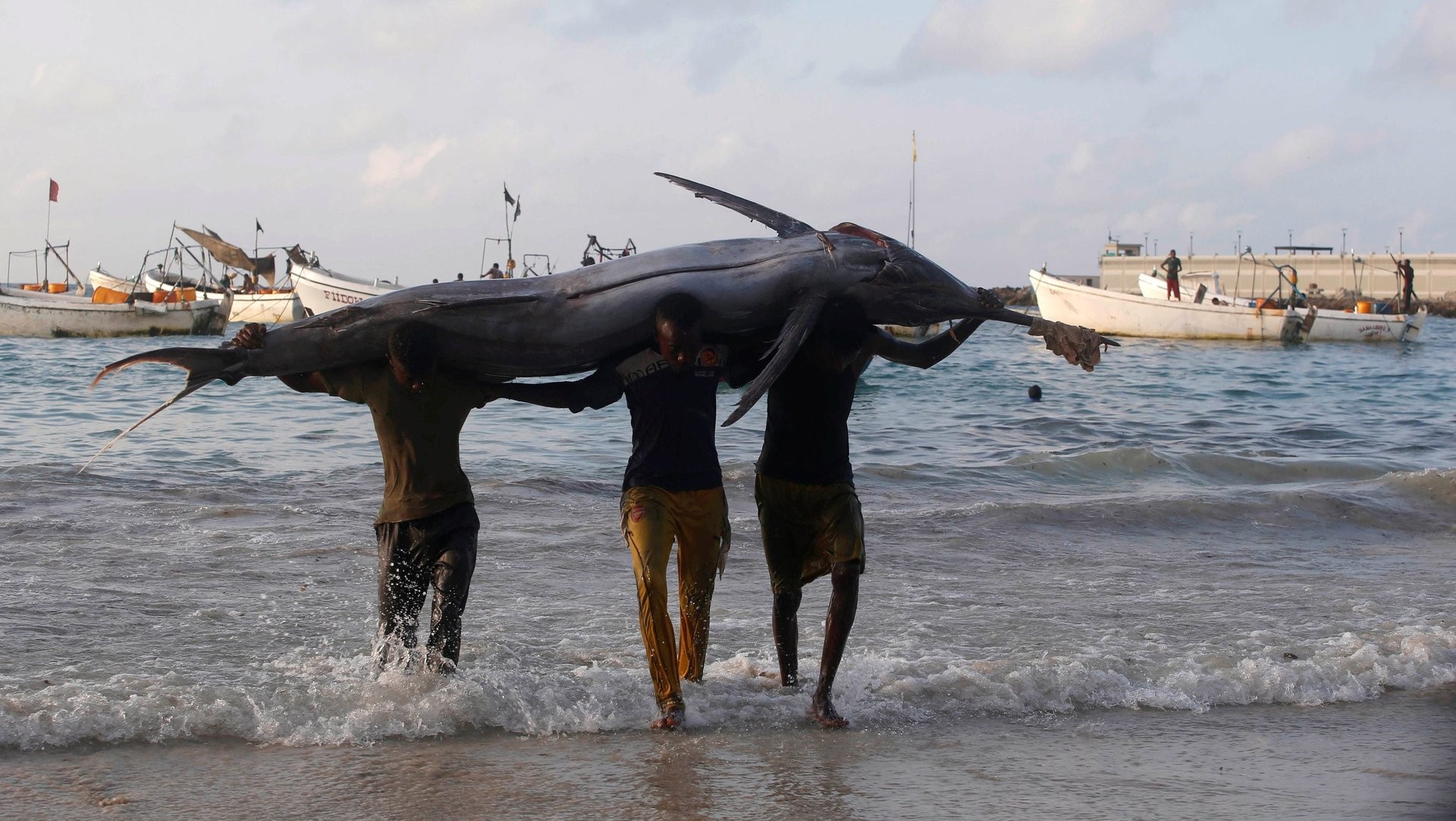
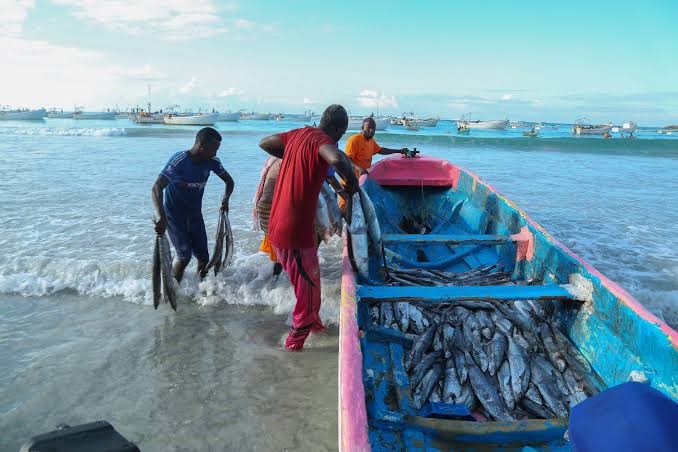
Discussion of Somalia’s fisheries usually turns to what still needs to be built: landing sites, jetties, ice plants, cold storage, processing centres, roads and distribution channels. The case for these investments is sound. Without them, fish spoils, post-harvest losses climb, and fishing communities capture only a fraction of what their catch is worth.
There is a second kind of infrastructure that gets far less attention in these conversations: the mangroves, seagrass meadows and coral reefs that keep fish in the water in the first place. They are usually filed under conservation, but they also do economic work. A fisheries plan that overlooks them covers only half the system.
Built and natural infrastructure
A cold room can be installed and a landing site commissioned, and the results show up in investment figures, capacity and jobs. Natural infrastructure is harder to count. It develops through ecological processes, and much of what it provides never appears in a market transaction.
Mangroves provide shelter and nursery areas for many marine species, including commercially important fish and invertebrates. Their roots hold shorelines together, limit erosion and absorb some of the force of coastal hazards. They also influence the seagrass meadows and reefs next to them.
Seagrass meadows offer habitat and feeding grounds, stabilize sediment and store large amounts of organic carbon. That makes them a matter for fisheries management as well as conservation.
Coral reefs provide complex habitat, support fisheries, reduce wave energy and sustain economic activity along the coast. Their condition affects the productivity of the surrounding waters.
These ecosystems are not interchangeable, and what each contributes depends on location and condition. Together, they form the natural base that coastal economies rest on.
Why this matters for Somalia
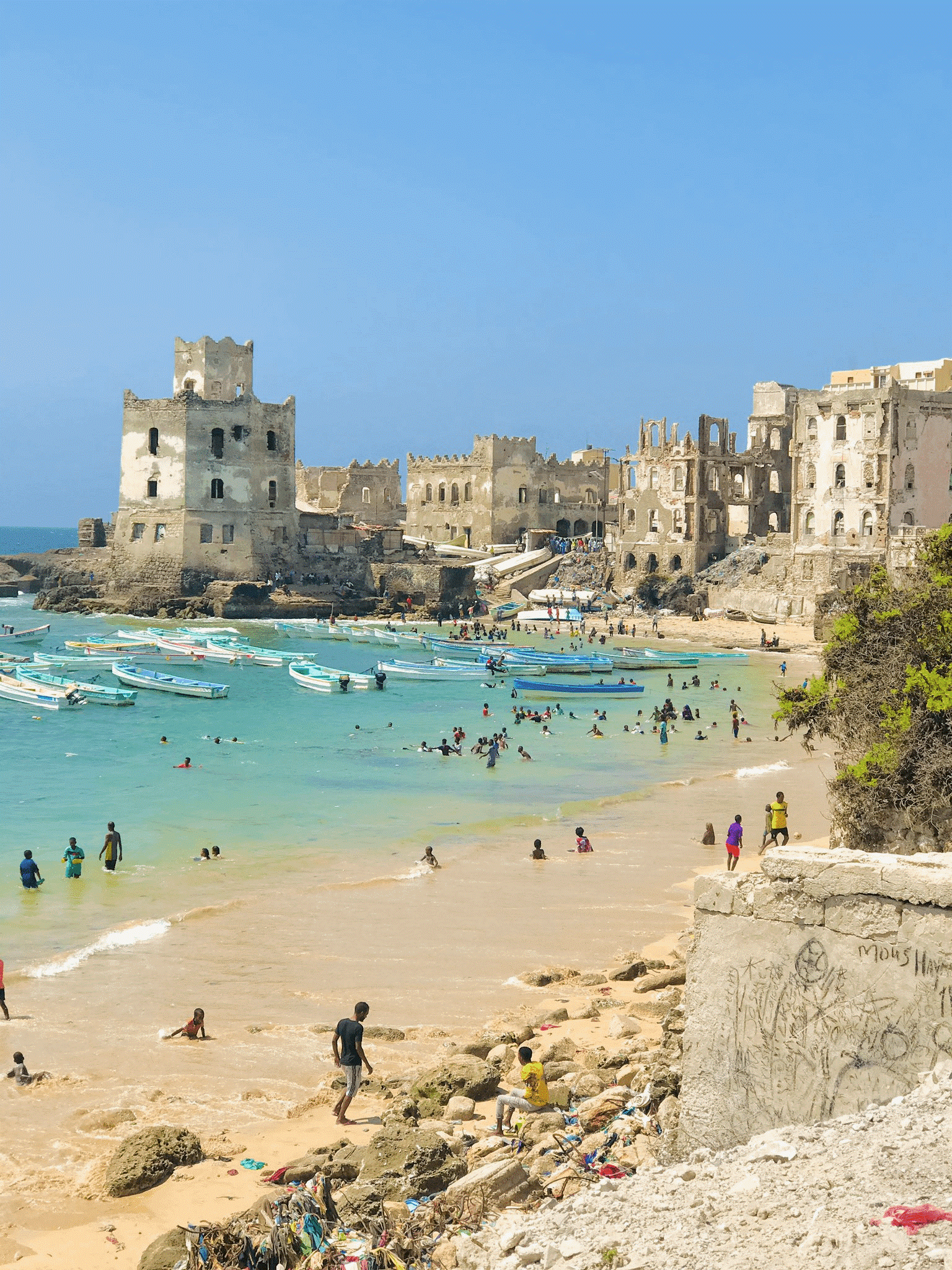
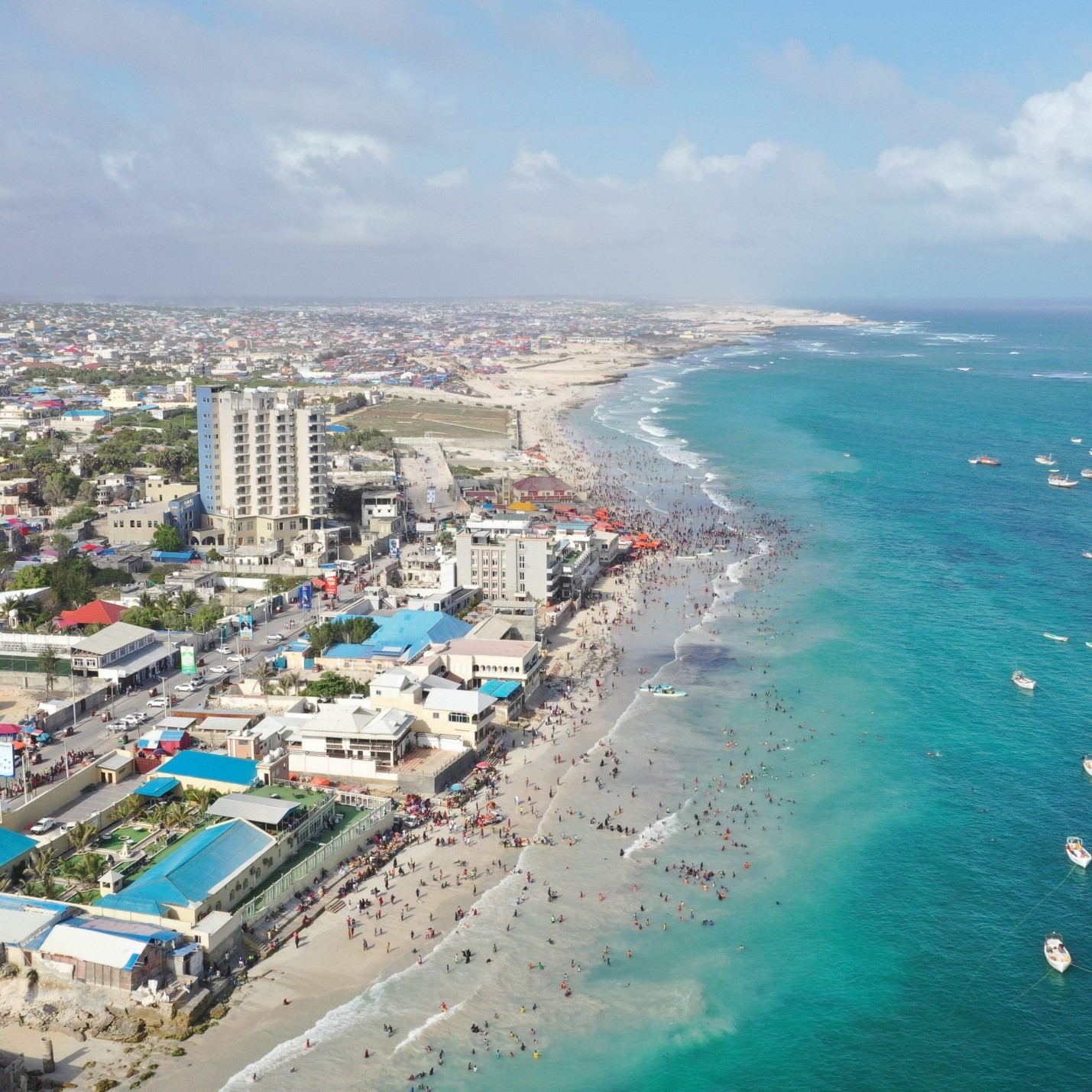
Somalia’s coastline runs for roughly 3,333 kilometers, shaped by the seasonal oceanography of the Western Indian Ocean. Its fisheries offer real opportunities for food security, employment, trade and private investment.
The constraints are also real: limited infrastructure, weak links to markets, inadequate post-harvest facilities, thin fisheries data and governance gaps. These are well documented. What gets less attention is how fisheries investment and ecosystem management connect.
The UNEP National Marine Ecosystem Diagnostic Analysis for Somalia documents coral communities along parts of the Indian Ocean and Gulf of Aden coasts, along with mangrove species and the pressures on them. Where these habitats degrade, the functions they perform weaken, and the effects can reach fisheries productivity, shoreline stability and coastal livelihoods.
That does not mean every change in catch can be traced to habitat loss. Fishing pressure, ocean temperature, currents, habitat condition and management all play a part. But fisheries cannot be planned responsibly without knowing the state of the ecosystems they depend on.
Building the value chain without undermining its foundation
Cold storage preserves fish after landing. Processing improves quality and adds value. A landing site brings order to fishing operations and better access to markets. None of these can sustain fish populations or replace what a healthy mangrove does. Put simply, physical infrastructure captures, preserves and distributes value, while natural infrastructure maintains the conditions that produce it.
This should shape how investments are designed and assessed. A new port or coastal facility should be evaluated for its effects on nearby habitats, water quality, sediment movement and the shoreline. Fisheries plans should account for spawning, nursery and feeding areas wherever evidence exists. Environmental assessments and mitigation measures belong before construction, not after. Value chain investment should come with responsible fishing practices, monitoring, reliable catch data and protection for sensitive habitats.
None of this is an argument for delaying infrastructure. It is an argument for building it in a way that does not erode the systems the sector depends on.
Conservation belongs in the economic plan
Blue economy planning often keeps development and environmental management apart. Fisheries are discussed in terms of production, investment, exports and market access, while conservation sits in a separate environmental programme. That split is hard to defend when the economic activity depends on working ecosystems.
Protecting mangroves, seagrass and reefs should be part of long-term fisheries planning. That calls for better ecological information, habitat mapping, research, community participation, effective enforcement, and coordination between fisheries, environment and coastal development authorities. It also calls for closer attention to how public and private investment affects the marine environment.
Somalia already has a legal foundation in the Law of Fisheries Management and Development No. 008 of 2023, which recognises the importance of protecting coastal habitats and restricts the destruction of mangroves and coral reefs. The harder task is implementation, backed by research, monitoring and institutional capacity. Seagrass and other marine habitats also need more research and a firmer place in coastal and marine planning.
A blue economy cannot be judged only by the landing sites built, tonnes landed, plants opened or seafood exported. The condition of the marine resources behind those numbers matters too.
From principle to practice: BLUE SOMALIA
Recognizing natural ecosystems as essential infrastructure is a starting point. It has to lead to awareness, education, responsible practice and real engagement with the communities whose lives are tied to the ocean.
That is the thinking behind BLUE SOMALIA, the Ocean Stewardship Programme established by OPONE to promote awareness, education and responsible engagement with Somalia’s marine and coastal environment. Its work covers five areas:
- Responsible Fisheries: promoting responsible fishing practices and the sustainable use of marine resources.
- Marine Ecosystems: advocating for the conservation of mangroves, seagrass meadows, coral reefs and wider marine habitats.
- Clean Oceans: encouraging responsible waste management and awareness of marine pollution.
- Coastal Communities: supporting community participation and the link between healthy coastal environments and local livelihoods.
- Ocean Literacy and Public Engagement: making ocean knowledge more accessible and bringing marine and coastal issues into public discussion.
Sustainable fisheries cannot rest on fishing practices and market systems alone. They also depend on public understanding of marine ecosystems and on communities taking part in how the ocean is managed. Through BLUE SOMALIA, OPONE aims to bring ocean issues closer to the public and to build recognition of the ecosystems that support marine resources.
Stewardship also has to go beyond awareness. It takes relationships, local participation and collaboration with the organizations and communities closest to the coast.
Partnering for coastal conservation: OPONE and the Lag Badana Community Conservancy Trust
One step in that direction is the Memorandum of Understanding between OPONE and the Lag Badana Community Conservancy Trust (LBCCT), announced on 29 July 2026. It brings together OPONE’s blue economy enterprise perspective and LBCCT’s community conservation focus, with the aim of advancing ocean stewardship, mangrove conservation, sustainable fisheries and coastal livelihoods. Both organisations see protecting coastal ecosystems and creating sustainable economic opportunity as linked priorities.
The partnership is especially relevant to the Jubbaland coastline and the Bajuni Islands, where coastal ecosystems and community livelihoods are closely connected to the marine environment. For OPONE, it offers a framework for connecting fisheries value chain development with community-led conservation, and room to explore how awareness, responsible resource use and local participation can support long-term stewardship.
An MoU is a foundation for cooperation, not evidence of completed conservation outcomes. Its value will depend on whether its commitments become practical activities, lasting partnerships and measurable results. That will take sustained collaboration, sound technical knowledge and work grounded in the ecological and socioeconomic realities of the areas concerned.
OPONE has also begun engaging with communities in the Bajuni Islands, to listen to local perspectives, understand priorities and explore how local knowledge can inform stewardship. We hold to a simple principle here: conservation should not be done to coastal communities from the outside. People who depend on fisheries and coastal resources should have a real voice in decisions about their future. Their knowledge of resource use, local pressures and the link between ecosystems and livelihoods, combined with scientific research, can shape initiatives that are better informed and more relevant locally.
Taken together, these engagements point to where OPONE is heading: connecting community knowledge, ocean education, conservation advocacy and responsible fisheries development.
A more complete vision for Somalia’s Blue Economy
Somalia can approach fisheries development with a broader idea of what counts as infrastructure. Landing facilities, cold chains, processing and distribution remain necessary. So do fisheries science, habitat protection, ecosystem monitoring and community-based stewardship. These priorities should reinforce one another rather than compete for the same attention.
For coastal families, healthy marine ecosystems are not a distant environmental concern. They are tied directly to the resources and livelihoods they depend on. Protecting them should involve local fishing communities, researchers, government institutions, responsible businesses and conservation organizations.
The private sector has a part to play as well. Commercial success in the fisheries value chain depends on access to markets and on the long-term health of the resource. Responsible sourcing, compliance with fisheries regulations, support for research and involvement in conservation can all make the sector more sustainable.
OPONE’s position
At OPONE, we believe Somalia’s fisheries economy has to extend beyond the infrastructure that connects fish to markets. As a fisheries-led blue economy enterprise, we value the physical infrastructure that strengthens value chains and expands economic opportunity. We also advocate for the conservation of mangroves, seagrass meadows, coral reefs and wider marine ecosystems as part of responsible ocean development.
Through BLUE SOMALIA, we are building a platform for ocean awareness, education, advocacy and responsible engagement. Our MoU with the Lag Badana Community Conservancy Trust lays a collaborative foundation for stewardship, mangrove conservation, sustainable fisheries and coastal livelihoods. And our engagement with Bajuni Islands communities reflects the weight we give to local perspectives and participation.
We see the ocean as more than a resource to be harvested and sold. It is a living system, and its health sets the long-term opportunities open to fisheries and coastal communities.
The question for Somalia is not whether to invest in fisheries infrastructure or in marine conservation. It is how to bring both into one development agenda. We need landing sites, ports, cold chains and distribution networks. We also need healthy mangroves, seagrass meadows and coral reefs. The first moves fish products through the economy; the second sustains the resource base that economy relies on.
A resilient Somali Blue Economy will need investment in both.
OPONE
Where Ocean Meets Opportunity.
BLUE SOMALIA
An Ocean Stewardship Programme by OPONE.