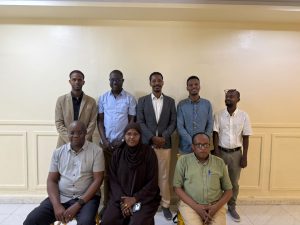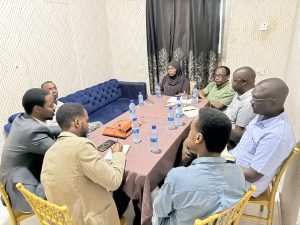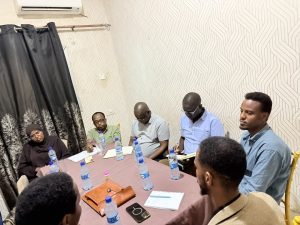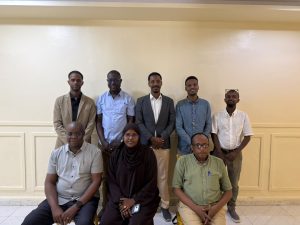
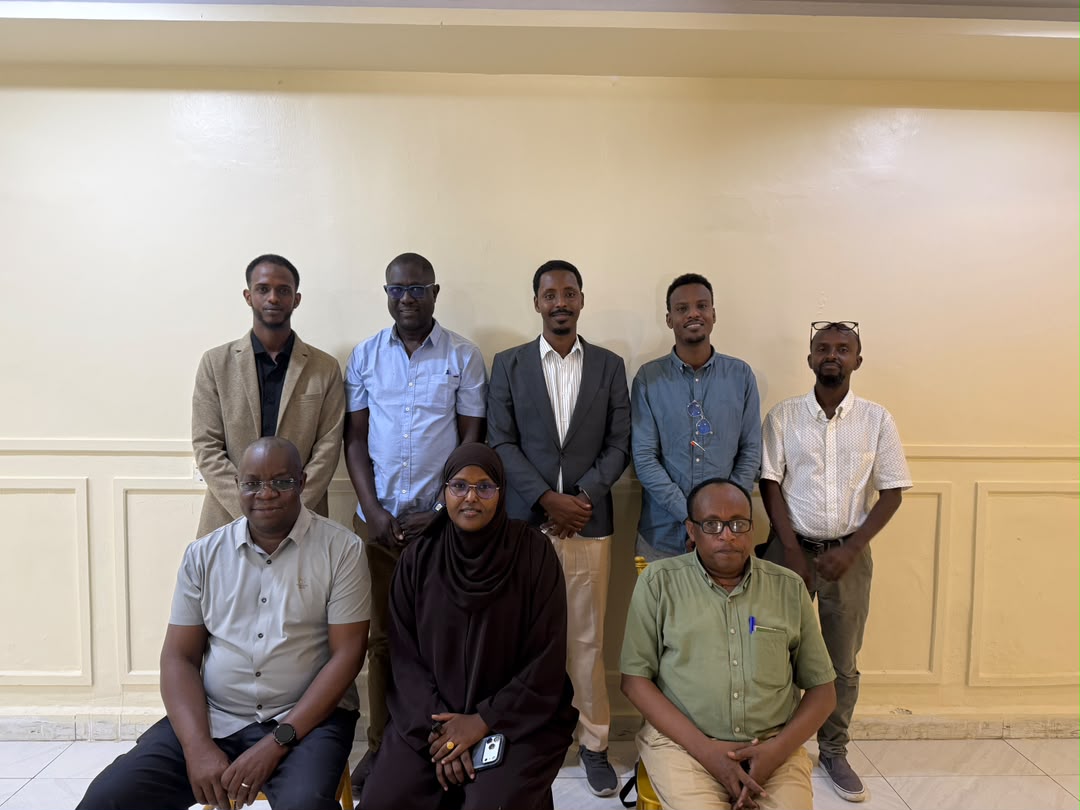
Dialogue in Mogadishu highlights the challenges facing artisanal fishermen, the role of women in fisheries, the relationship between traditional knowledge and marine expertise, and the importance of accessible climate information.
MOGADISHU, SOMALIA | 3 NOVEMBER 2026
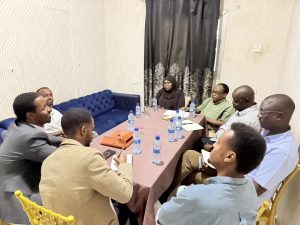
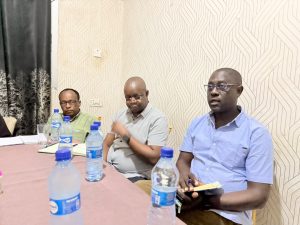
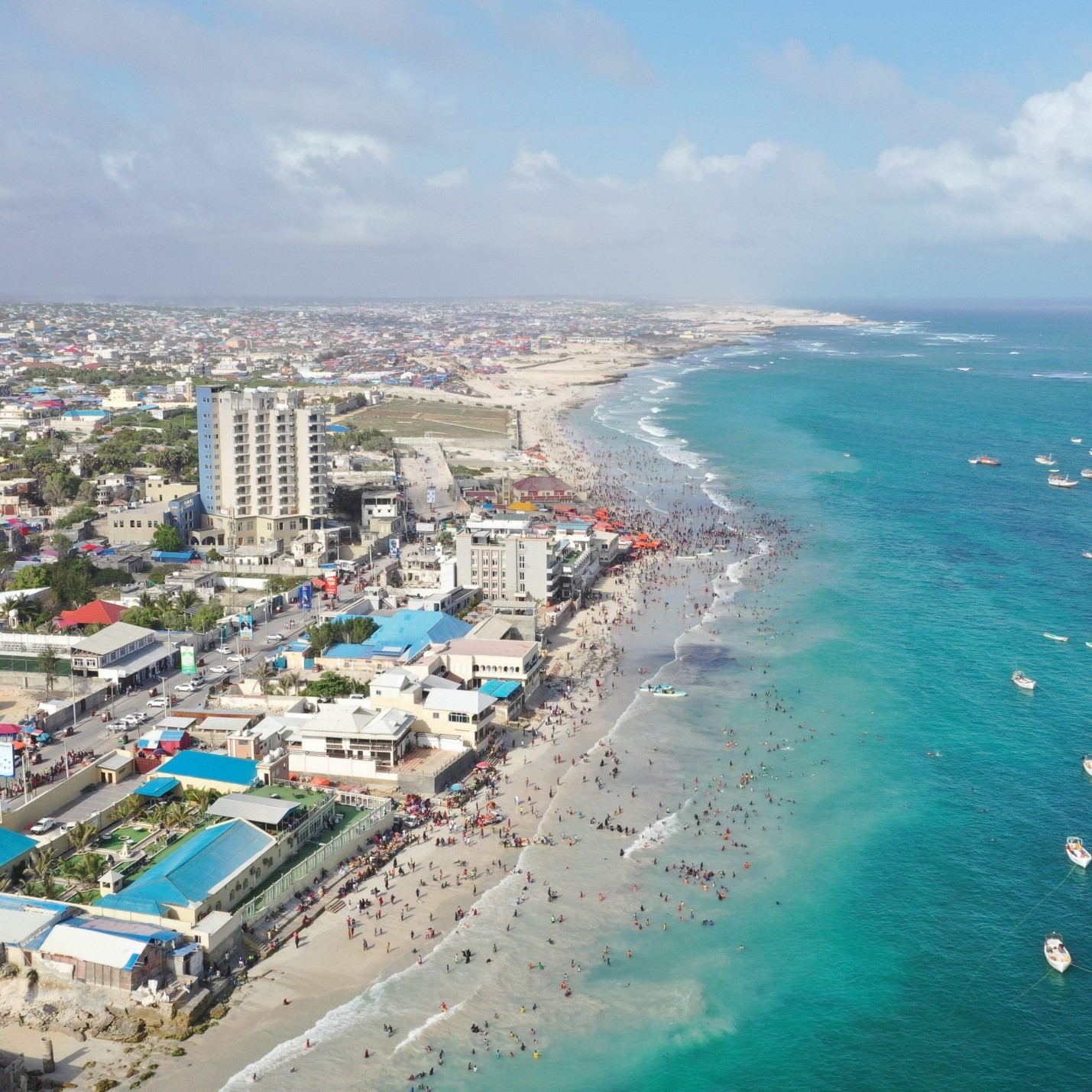
OPONE’s team in Mogadishu has met with delegates from the Intergovernmental Authority on Development (IGAD) and representatives of the Blue Economy Department of Somalia’s Ministry of Fisheries and Blue Economy to discuss key challenges and opportunities shaping the country’s fisheries sector and wider Blue Economy.
The meeting provided an opportunity to exchange perspectives on the realities facing artisanal fishing communities, the participation of women in fisheries, the relationship between traditional fishing knowledge and formal marine expertise, and the growing importance of climate information in supporting coastal livelihoods.
During the engagement, OPONE introduced itself as a Somali fisheries-led Blue Economy enterprise focused on fisheries enterprise development, seafood value chains, ocean knowledge and coastal communities. Drawing on its emerging engagement with Somalia’s domestic fisheries market, OPONE shared a private-sector perspective on the practical challenges affecting fisheries activities and market development.
Understanding the challenges facing artisanal fishermen
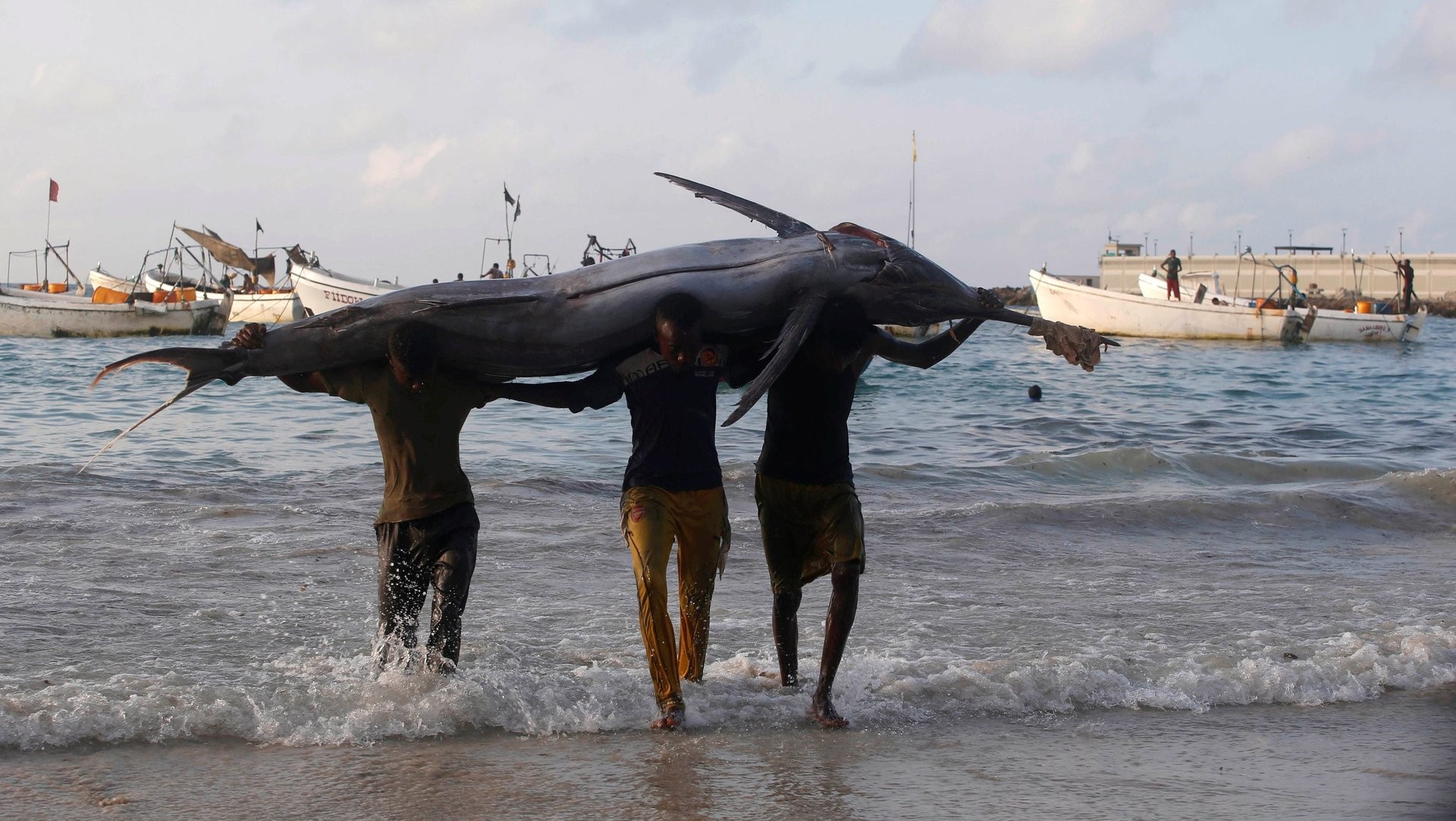
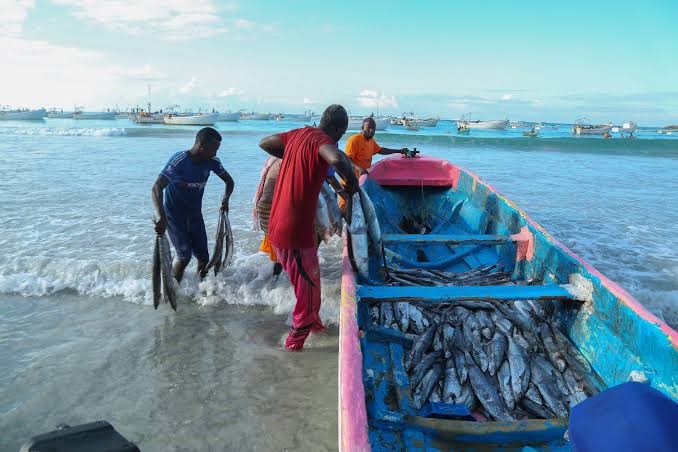
One of the central issues discussed was the difficult operating environment faced by artisanal fishermen.
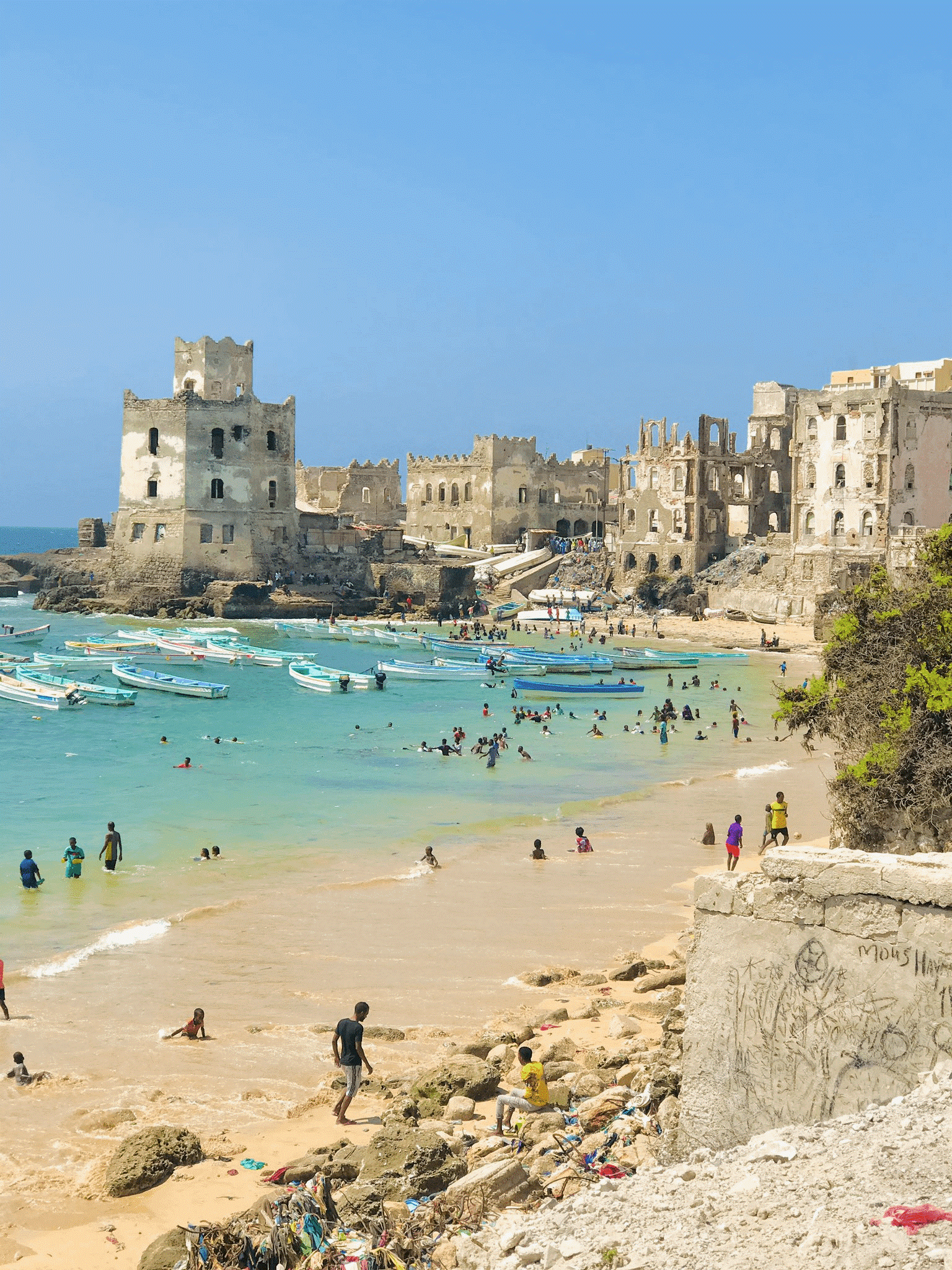
OPONE highlighted the limited availability of suitable fish landing sites and facilities, alongside the uncertainty fishermen experience when going to sea. Access to reliable and relevant information remains a challenge, making fishing decisions difficult and sometimes resulting in unsuccessful trips.
For small-scale fishermen, an unsuccessful trip can mean more than a disappointing catch. It can translate into wasted fuel, time, energy and financial resources, further increasing the economic vulnerability of fishing households.
The discussion emphasised the need to strengthen access to appropriate fishing equipment, essential inputs, practical training and information services that can support safer and more productive fishing activities.
These challenges demonstrate that fisheries development must extend beyond increasing fishing capacity. It also requires attention to the infrastructure, information, services and market systems that enable fishermen to operate more effectively.
Recognising women’s contribution to the fisheries economy
The role of women in Somalia’s fisheries economy was another important subject of discussion.
OPONE highlighted the participation of women in fish trading, particularly those who purchase catches from male fishermen and resell them in local markets. Their activities connect fish production with consumers and make them important participants in the seafood value chain.
However, strengthening women’s participation requires more than recognising their existing economic contribution. It also requires practical support that enables them to improve their businesses and access greater opportunities.
Areas identified for attention included business development training, financial and business management, access to working capital, appropriate equipment and improved market facilities.
The discussion also recognised the importance of Training of Trainers (ToT) approaches. Developing local trainers can help extend knowledge and practical skills to more women and fishing communities, creating a stronger foundation for locally led capacity development.
Bridging traditional fishing knowledge and marine expertise
The engagement also explored the relationship between traditional knowledge and formal marine education.
IGAD delegates raised questions about whether misunderstandings or knowledge gaps exist between formally educated marine professionals and local fishermen, whose experience is built through generations of interaction with the sea.
This is an important question for fisheries development. Scientific and technical knowledge can contribute to improved fisheries management, while traditional fishermen possess practical experience of local marine environments, fishing practices and changing conditions.
Bringing these knowledge systems into constructive dialogue can help ensure that research, policies and development interventions reflect the realities of fishing communities.
The delegates also sought to understand women’s roles across fisheries and wider marine activities, including whether traditional or cultural restrictions discourage women from going directly to sea or participating aboard fishing vessels.
These questions point to the need for deeper community-level understanding of cultural practices, gender dynamics and the different roles women and men occupy throughout the fisheries value chain. They should be examined through engagement with fishing communities rather than treated as assumptions about all Somali coastal communities.
Climate information and the importance of accessible communication
Climate resilience was another important dimension of the discussion.
Fishing communities depend on the marine environment and are exposed to changing weather and sea conditions. Access to timely and understandable information can support better-informed decisions, particularly when communicating early warnings and marine forecasts.
OPONE shared its initial work in producing a fisher-awareness audio message in Somali, communicating early-warning and forecast information to fishermen. This reflects the importance of making relevant information accessible through local languages and communication formats that coastal communities can understand and use.
OPONE also presented Ocean Insights, its knowledge and education hub dedicated to researching Somalia’s ocean economy, improving understanding of marine resources and addressing information gaps.
Through Ocean Insights, OPONE has produced three maritime briefs, alongside other publications examining fisheries, marine ecosystems, blue carbon and the wider opportunities within Somalia’s Blue Economy.
The initiative reflects OPONE’s belief that the development of the ocean economy requires more than investment and infrastructure. It also depends on accessible knowledge, research, public understanding and stronger connections between information and the people whose livelihoods depend on the ocean.
Building stronger connections across Somalia’s fisheries sector
The discussions in Mogadishu reinforced the importance of connecting government institutions, regional organisations, research and knowledge institutions, private-sector enterprises and coastal communities.
For Somalia, developing a stronger fisheries sector will require attention to the entire value chain: from fishermen and landing facilities to handling, preservation, processing, distribution and access to markets.
It will also require recognising the contribution of women, improving the relationship between scientific and traditional knowledge, and ensuring that climate and marine information reaches the communities that need it.
For OPONE, these priorities align with its approach as a fisheries-led Blue Economy enterprise. Its engagement in domestic fisheries markets, work on ocean knowledge and interest in coastal communities form part of a broader effort to contribute to a more connected and productive fisheries economy.
OPONE appreciates the engagement of the IGAD delegation and the Blue Economy Department of Somalia’s Ministry of Fisheries and Blue Economy. The company looks forward to continued dialogue and opportunities for constructive engagement in advancing Somalia’s fisheries development, Blue Economy and climate resilience.
From the coast to the customer. Building a stronger fisheries value chain for Somalia.
OPONE — Where Ocean Meets Opportunity.
Published by OPONE | Mogadishu, Somalia | 3 November 2026